How Much Does a Cadillac Power Steering Pump Replacement Cost on Average?
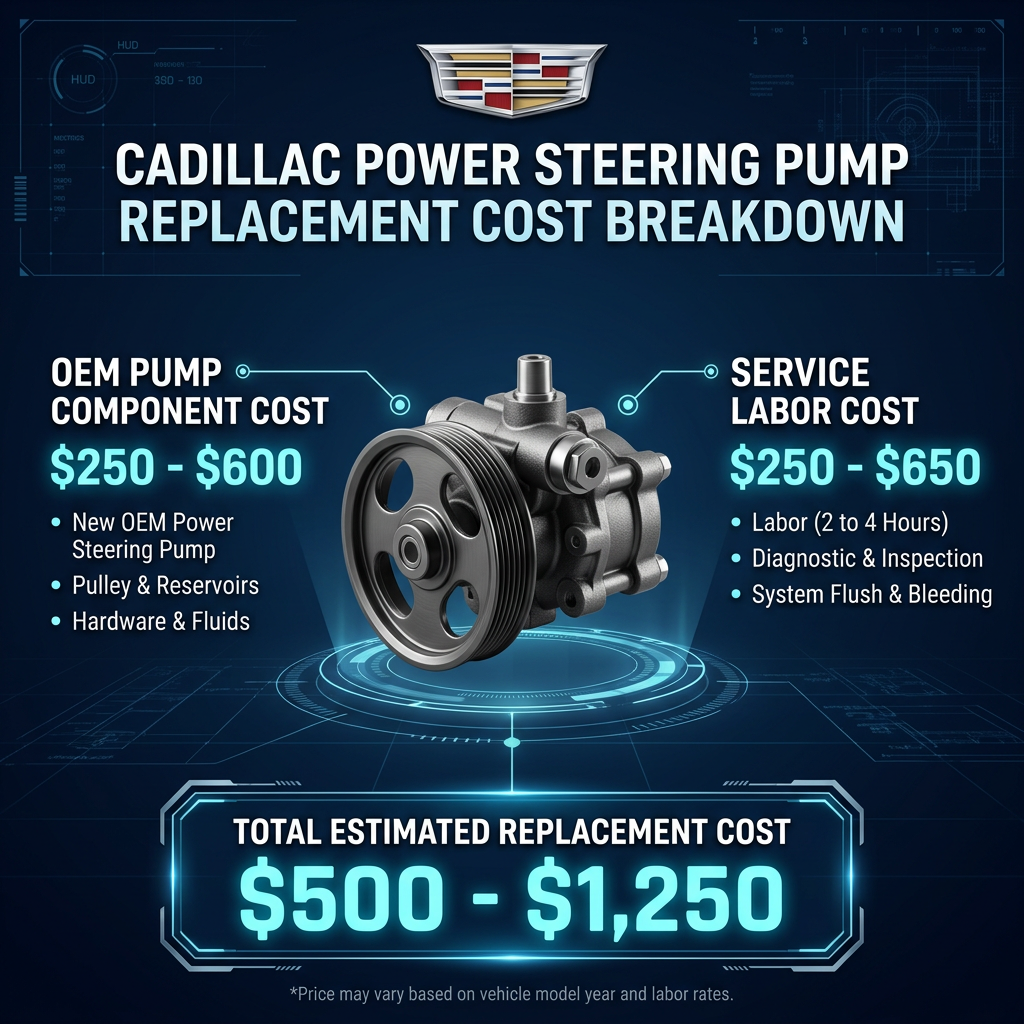
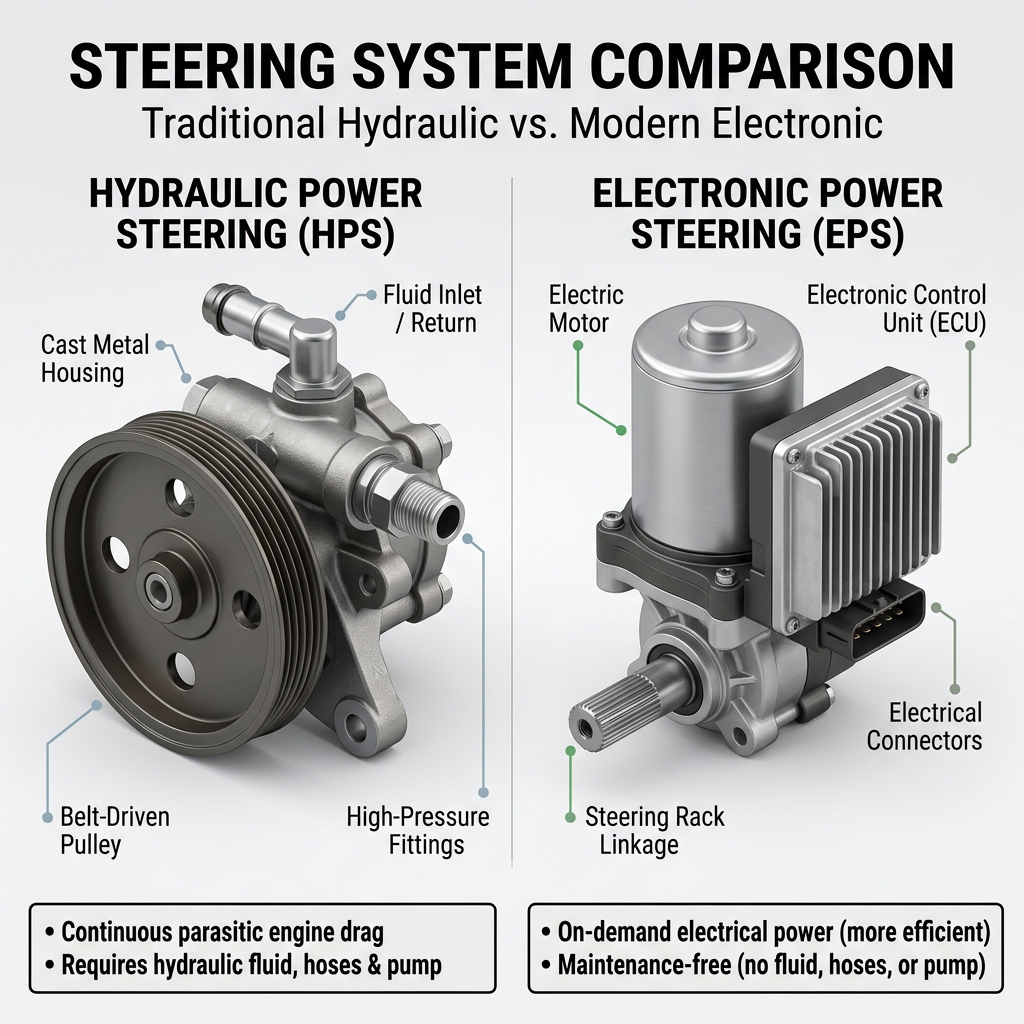
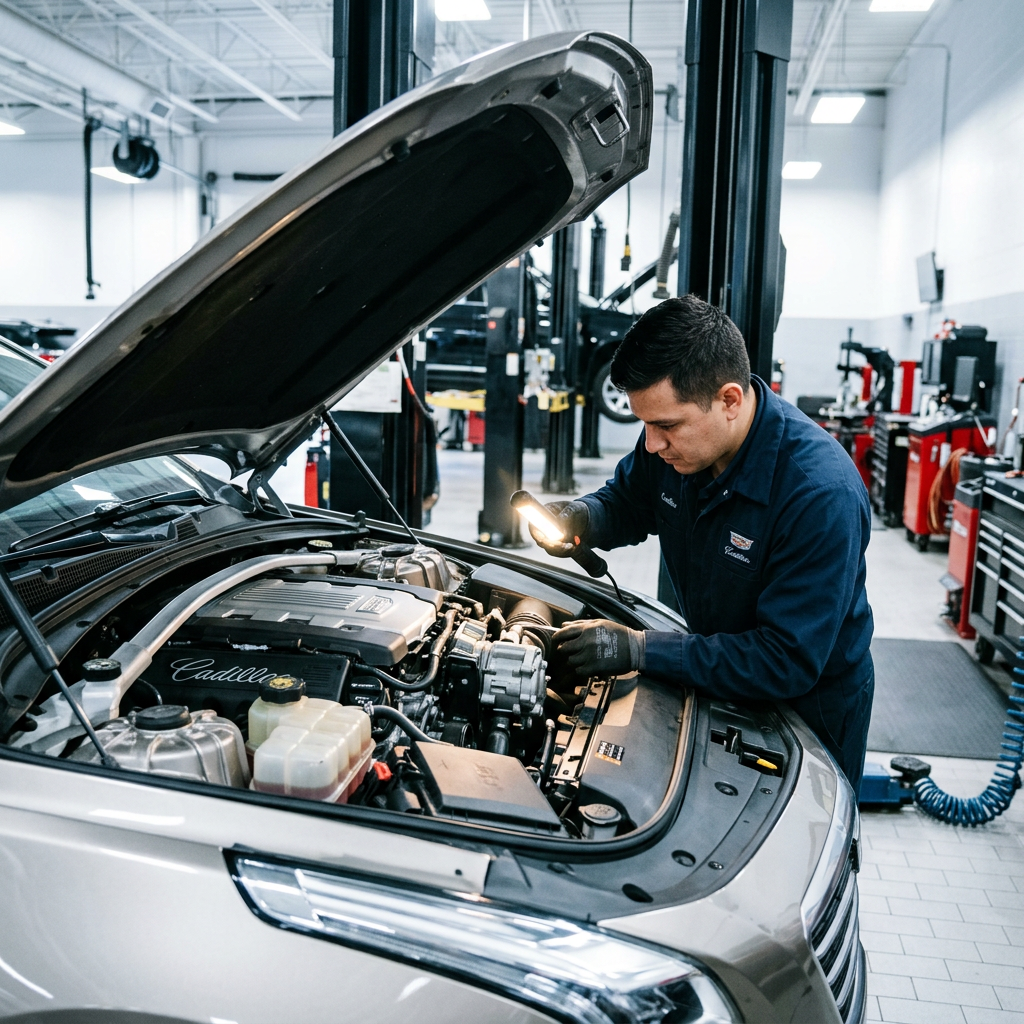
When you command a luxury vehicle like a Cadillac, effortless handling and laser-precise steering responsiveness are integral to your daily driving experience. Whether you navigate the streets of Joliet or take long highway cruises along I-80, a failing power steering pump can transform smooth steering into a heavy, agonizing workout. On average, replacing a Cadillac power steering pump costs between $500 and $1,250, depending on your vehicle's model year, engine size, and whether it uses a traditional hydraulic assist system or a modern Electronic Power Steering (EPS) assembly.
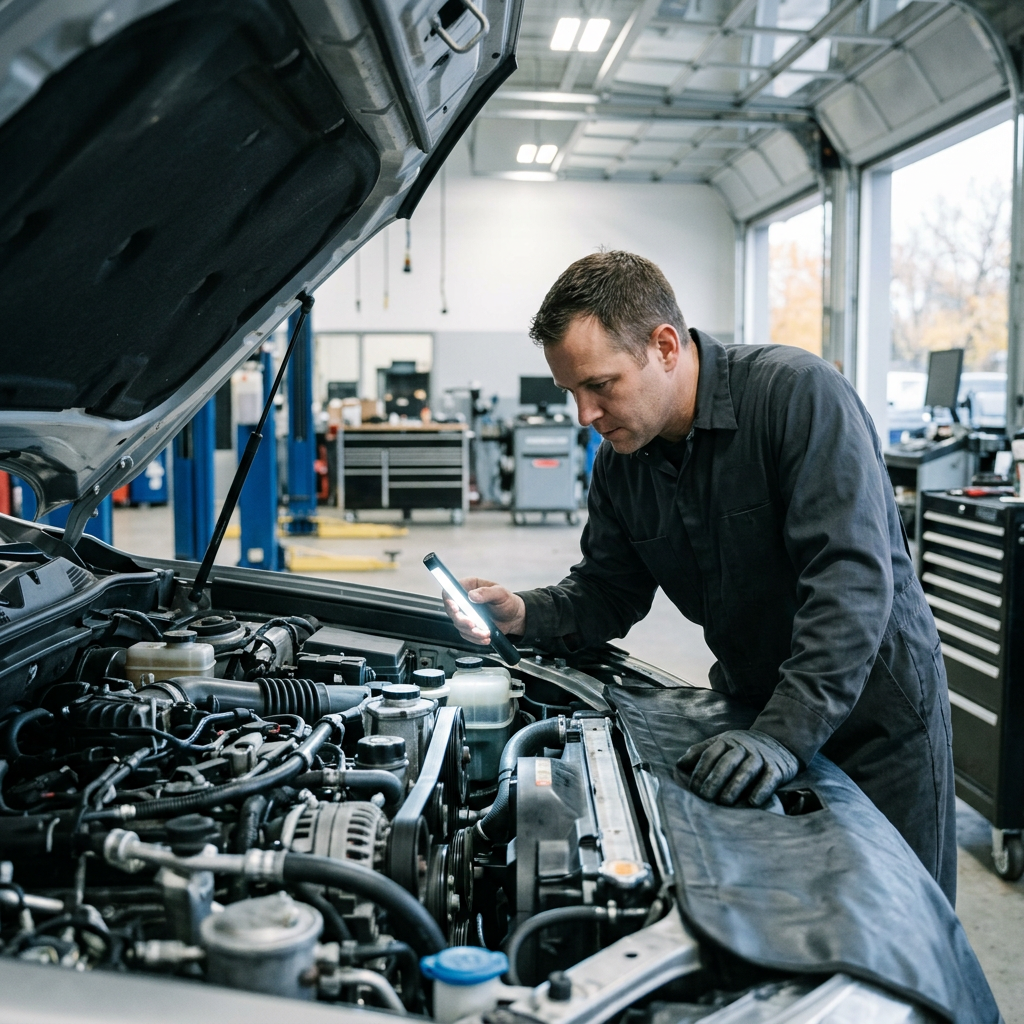
To understand where your hard-earned dollars go, it helps to analyze the cost breakdown between replacement hardware and technical labor. Genuine OEM replacement pumps generally range from $250 to $600, while labor fees typically account for $250 to $650. Labor costs fluctuate depending on engine bay accessibility, total labor hours required, and necessary complementary procedures such as system flushes or serpentine belt replacements.
|
Cadillac Model & System
|
Parts Cost Range
|
Labor Cost Range
|
Total Estimated Cost
|
|
Cadillac Escalade (Hydraulic V8)
|
$280 - $550
|
$250 - $450
|
$530 - $1,000
|
|
Cadillac CTS / ATS (Hydraulic V6/I4)
|
$250 - $480
|
$280 - $520
|
$530 - $1,000
|
|
Cadillac SRX / XT5 (Hydraulic Cross-over)
|
$300 - $600
|
$320 - $650
|
$620 - $1,250
|
|
Cadillac CT5 / XT6 (Electronic EPS Gear)
|
$650 - $1,400
|
$350 - $700
|
$1,000 - $2,100
|
What Factors Drive the Price of Replacing a Cadillac Steering Pump?
1. Vehicle Model & Engine Layout Differences
The specific model year and platform configuration play massive roles in total service charges. For instance, full-size V8-powered SUVs like the Cadillac Escalade feature spacious front engine bays where accessing the power steering pump is straightforward for certified technicians. Conversely, performance sedans like the CTS or compact crossovers like the SRX and XT5 package powerful engines into tightly constrained compartments. Accessing the pump on these models often requires removing air intake ducting, auxiliary cooling lines, or unbolting engine mounts to clear space.
2. Genuine OEM GM Parts vs. Aftermarket Components
Selecting genuine ACDelco or OEM GM components guarantees structural integrity and hydraulic pressure ratings calibrated specifically for Cadillac's speed-sensitive power steering systems. While aftermarket options may cost 20% to 30% less upfront, non-OEM pumps frequently exhibit higher operating noise, lower seals tolerance, and shorter overall operational lifespans under severe winter driving conditions.
3. System Fluid Flushes & Cleaning
When an internal hydraulic pump fails, worn metallic impellers shed micro-particles into the fluid lines. Simply mounting a fresh pump without performing a comprehensive hydraulic flush will push debris into your new pump and steering rack, leading to premature burnout. A thorough power steering fluid exchange adds approximately $100 to $180 in service costs, but serves as vital insurance for your investment.
4. Belt Inspections & Pulley Transfer
The serpentine drive belt powers your hydraulic pump, alternator, and air conditioning compressor. During a pump replacement, technicians inspect the belt for cracking or fraying. If replacement is necessary, adding a fresh belt incurs minor extra part expenses while saving you separate labor charges down the road.
How Do Symptoms of Electric Power Steering Failure Compare to Hydraulic Fluid Loss?
Understanding the difference between traditional hydraulic pump failure and modern Electronic Power Steering (EPS) malfunction is critical for accurate troubleshooting. Hydraulic systems rely on mechanical fluid pressure, meaning early warnings often manifest through distinct audible and tactile cues, such as high-pitched groaning during tight turns, visible fluid puddles underneath the vehicle, or a heavy steering feel that worsens at parking speeds.
Modern Cadillac models equipped with Electronic Power Steering bypass hydraulic pumps entirely, utilizing electric motors mounted directly to the steering rack or column. When EPS components fail, warnings are immediate: a driver dashboard notification reading 'Service Power Steering,' illuminated traction or stability control warning lights, and diagnostic trouble codes such as C0561 or C0545.
Because EPS systems integrate heavy-duty electronic motors and control modules directly onto the steering rack, replacing a failed EPS gear assembly costs significantly more ($1,000 - $2,100+) than replacing a single hydraulic belt-driven pump.
What Are the Main Symptoms of Low Power Steering Fluid in a Cadillac?
1. High-Pitched Whining
A sharp whining or squealing sound whenever you rotate the steering wheel—especially during low-speed parking maneuvers—indicates cavitation. When fluid drops low, air is sucked into the pump chamber, creating extreme micro-friction that accelerates metallic wear.
2. Stiff or Jerky Resistance
If steering becomes stiff, heavy, or gives a 'notchy' feeling through sweeping turns, your system is failing to maintain steady hydraulic assist pressure. Operating without proper pressure rapidly burns out internal rotor blades.
3. Red/Amber Fluid Puddles
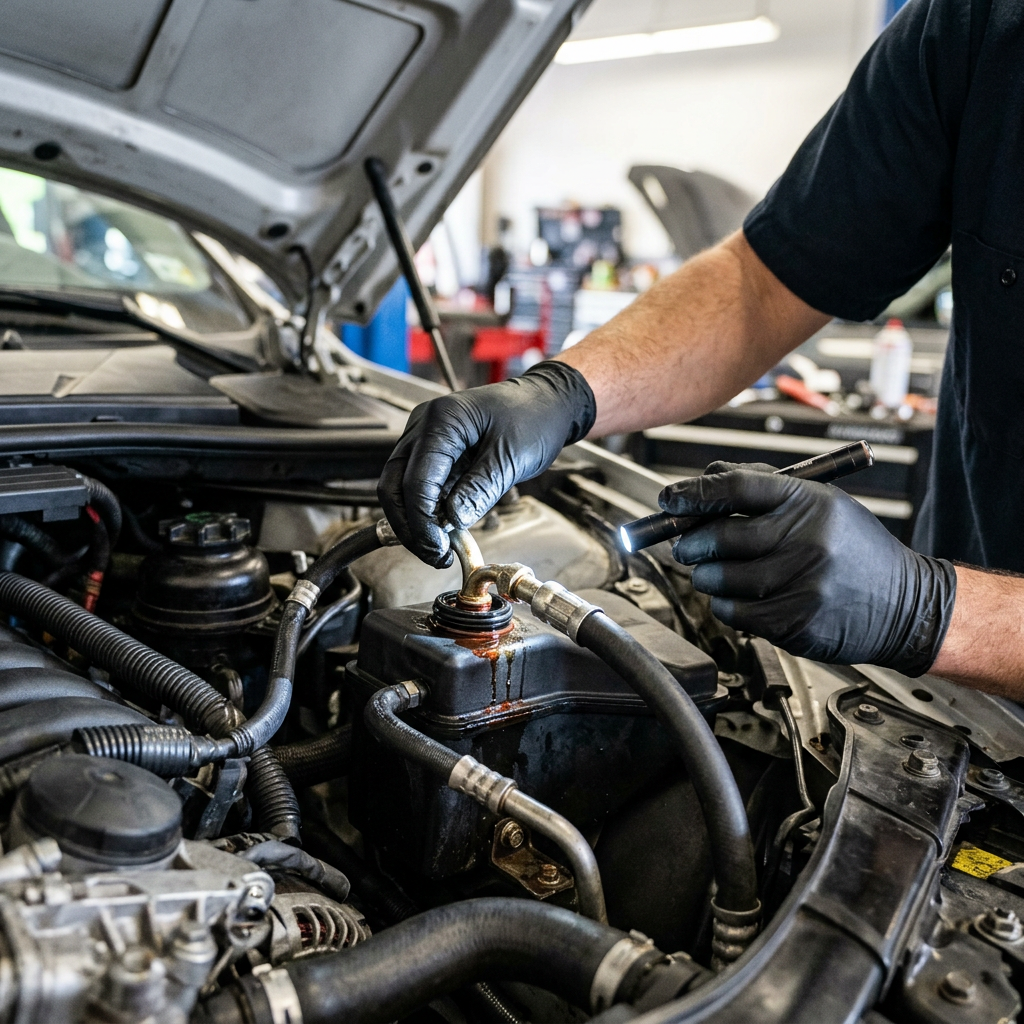
Discovering red, pinkish, or clear amber fluid droplets beneath your front axle housing points directly toward power steering line degradation, reservoir cracks, or worn steering gear input shaft seals.
What Type of Power Steering Fluid Does a Cadillac Require?
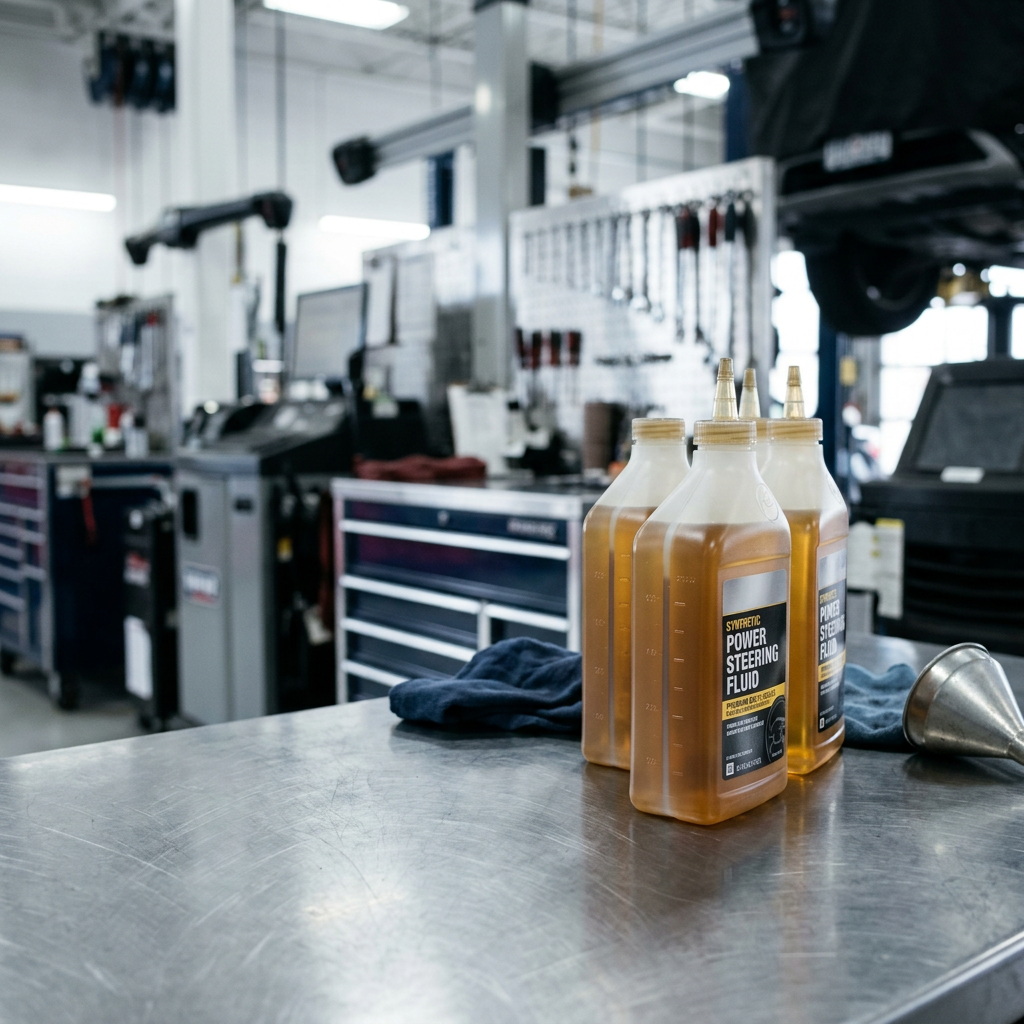
Cadillac engineering specifies high-performance synthetic hydraulic fluids designed specifically to withstand harsh thermal fluctuations and prevent seal swelling. Most modern GM hydraulic systems require ACDelco Cold Climate Power Steering Fluid or Dexron VI Automatic Transmission Fluid depending on factory system specifications.
Using off-the-shelf universal power steering fluid in a Cadillac is a recipe for expensive repairs. Generic fluids often lack specialized anti-foaming additives and extreme-pressure synthetic inhibitors, causing internal rubber seals to dry out, swell, and leak.
How Often Should Power Steering Fluid Be Checked and Replaced in a Cadillac?
Monthly Level Checks
Inspect your fluid level monthly or during every engine oil change. Ensure the fluid level rests safely between the 'MIN' and 'MAX' hot/cold indicators on the translucent reservoir tank.
30k-50k Mile Flush Interval
Cadillac technicians recommend a full system fluid flush every 30,000 to 50,000 miles. Fresh fluid restores essential thermal stability and lubricates mechanical pump vanes.
Visual Contamination Cues
If your fluid appears dark, murky brown, or emits a strong burnt aroma, oxidation has set in. Contaminated fluid must be replaced immediately to safeguard internal pump seals.
What Causes Power Steering Fluid Leaks in Cadillac Vehicles?
Power steering systems operate under high pressure (often exceeding 1,200 PSI during tight turns). Over time, constant hydraulic pressure combined with intense engine heat cycles causes natural component degradation. Primary leak locations include dried rubber O-rings at high-pressure line fittings, hairline stress fractures in plastic fluid reservoirs, and micro-tears in soft return hoses.
Additionally, worn rack-and-pinion input shaft seals can allow fluid to seep directly into steering rack rubber dust boots. Left unaddressed, leaking fluid strips pressure from the system, starving the pump and turning minor fitting repair into a costly major replacement.
Cadillac Steering Care: Identifying Low Power Steering Fluid Symptoms and Handling Issues
Experiencing sudden steering resistance while traveling at high speeds on busy thoroughfares like I-80 or Route 59 can be unnerving. If your power steering pump fails while driving, your vehicle will NOT lose manual steering control altogether; however, turning the wheel will suddenly require intense physical force.
Action Steps for Safe Roadside Maneuvering:
1. Maintain a firm, two-handed grip on the steering wheel.
2. Reduce speed gradually and activate your emergency flashers.
3. Carefully guide your Cadillac to a safe shoulder or parking area without making sharp, sudden inputs.
4. Once stopped, turn off the engine immediately to prevent complete pump lockup and protect your steering rack from metal particle contamination.
5. Contact our service team at (815) 600-7027 or roadside assistance for professional towing to a certified GM facility.
Should You Replace a Cadillac Steering Pump Yourself or Visit a Certified Technician?
The DIY Challenge: Replacing a Cadillac power steering pump is a complex job requiring specialized equipment. Mechanics must utilize a pulley puller tool set to remove and re-press the drive pulley without bending the pump shaft. Furthermore, bleeding air completely out of the hydraulic circuit requires meticulous vacuum bleeding procedures—trapped air pockets create instant noise and lead to rapid dry pump seizure.
The Certified Advantage at Hawk Cadillac: Our factory-trained technicians possess extensive experience across every Cadillac platform. When you bring your vehicle to Hawk Cadillac in Joliet, your service includes genuine OEM GM parts, precise torque-spec installation, complete system flushing, diagnostic scan checks, and nationwide GM warranty backing.
How Plainfield and Naperville Winter Driving Impacts Your Steering System
Sub-Zero Fluid Viscosity
Freezing Midwest winter temperatures in Plainfield and Naperville cause power steering fluid to thicken dramatically. Thick fluid starves internal pump bearings during cold morning start-ups, accelerating mechanical wear.
Extreme Pressure Spikes
Turning cold, viscous fluid forces the pump to generate elevated pressure spikes. This excess pressure strains aging hose clamps, hardening O-rings, and reservoir seal seams across winter months.
Road Salt Chemical Attack
Heavily salted winter roads in Will and DuPage counties accelerate underbody corrosion on aluminum steering return lines and rack fittings, leading to sudden fluid pressure losses.
Preventative Checklist to Extend Your Cadillac Steering Pump Life
1. Avoid Holding Full Steering Lock: Holding your steering wheel turned all the way left or right for more than 5 seconds forces the pressure relief valve to open, spiking hydraulic temperatures and stressing pump internal seals.
2. Regular Serpentine Belt Inspections: A worn or slipping belt causes uneven rotational forces on the pump shaft. Have your serpentine belt checked for proper tension and cracking at every oil change.
3. Top Off Fluid Immediately: Never run your steering system low on fluid. Address minor drops in reservoir levels instantly using factory-recommended ACDelco fluid to eliminate internal cavitation.
Schedule Certified Cadillac Power Steering Service in Joliet Today
Do not wait until a small hydraulic leak or faint steering whine turns into an unexpected roadside breakdown or damaged steering rack. At Hawk Cadillac in Joliet, our GM-certified service center is fully equipped with factory diagnostics, genuine OEM parts, and expert master technicians dedicated to keeping your Cadillac performing at peak excellence.
Proudly serving drivers from Joliet, Plainfield, Naperville, Shorewood, and Lockport. Schedule your service appointment online or visit our state-of-the-art facility located at 2001 W Jefferson St, Joliet, IL 60435 today.