Does AWD Use Significantly More Fuel During Daily Highway Commutes Than FWD?
For generations of drivers navigating the fast-paced corridors of Northern Illinois, choosing between Front-Wheel Drive (FWD) and All-Wheel Drive (AWD) felt like a stark compromise. The conventional wisdom was simple: FWD offered economical daily commuting with lower fuel bills, while AWD delivered winter traction at the steep cost of noticeable fuel penalty. However, modern automotive engineering has fundamentally shifted this dynamic. If you are logging daily highway miles along Interstate 80 or historical Route 66 near Joliet, today’s AWD systems consume only 1 to 2 MPG more than their FWD counterparts under steady highway cruising conditions.
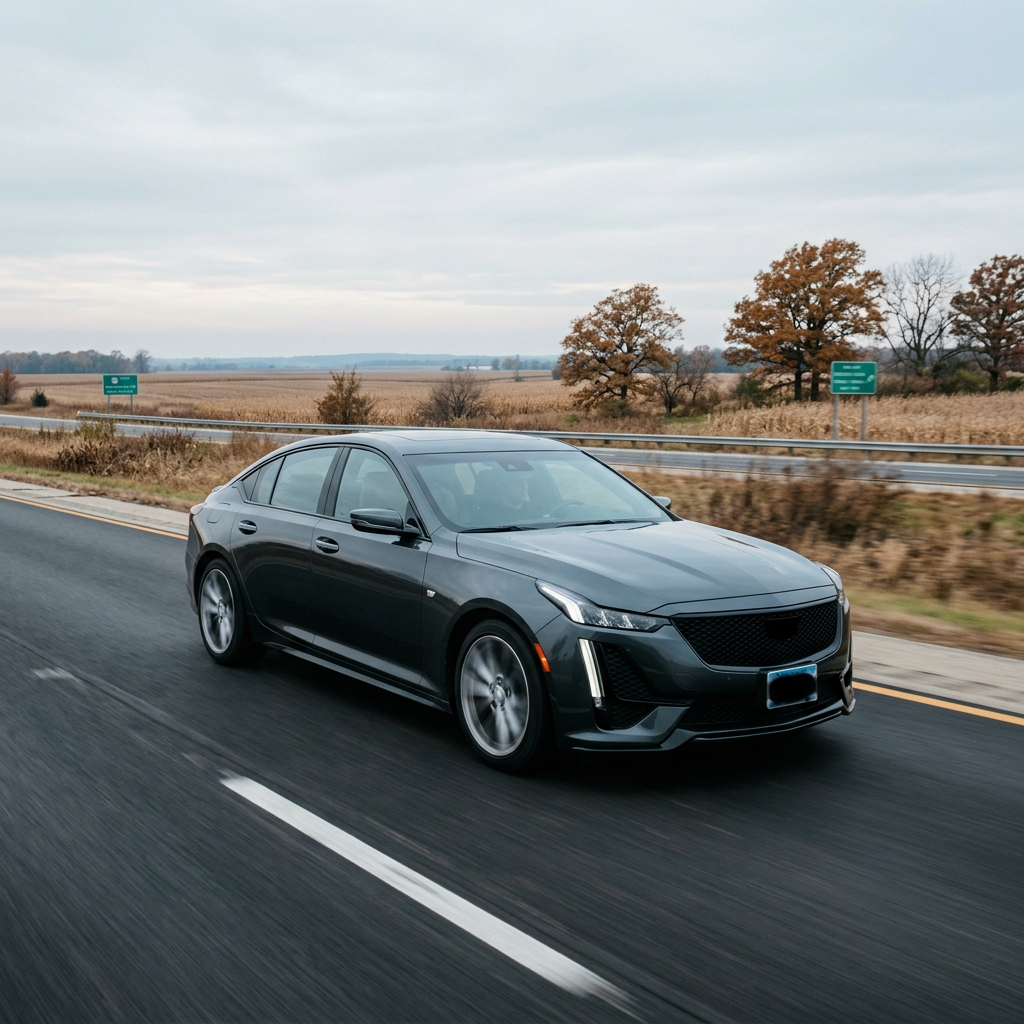
Why has the highway fuel economy gap narrowed so dramatically? The secret lies in advanced automatic disconnect technology and intelligent power management. Legacy AWD systems relied on mechanical components that continuously spun extra shafts, gears, and differentials regardless of traction needs—creating continuous mechanical drag. Modern platforms, such as those engineered into contemporary Cadillac luxury vehicles, utilize electronic power transfer units (PTUs) and dynamic clutch systems that completely decouple the secondary drivetrain when extra grip isn't required. When cruising at 65 or 70 mph on smooth pavement, your AWD vehicle functions essentially as an efficient front-wheel drive platform, re-engaging rear wheel power in milliseconds only when wheel slip or aggressive acceleration is detected.
|
Drivetrain Type
|
Typical Highway MPG Impact
|
Primary Operating State on Highway
|
Annual Fuel Variance (15,000 mi)
|
|
Front-Wheel Drive (FWD)
|
Baseline (0 MPG loss)
|
100% Front-Wheel Drive
|
Baseline ($0)
|
|
Modern Disconnecting AWD
|
-1 to -2 MPG
|
95%+ Front-Wheel Drive (On-Demand)
|
+$120 to +$180 / year
|
|
Legacy Full-Time AWD
|
-3 to -5 MPG
|
Continuous 50/50 or 60/40 Split
|
+$300 to +$450 / year
|
Mechanical Fuel Economy Comparison: Modern AWD vs. FWD Highway Efficiency
Understanding Mechanical Losses: Rotational Mass & Drag
To understand where fuel goes in an AWD vehicle, engineers evaluate three primary factors: rotational mass, driveline friction, and aerodynamic drag. Rotational mass refers to the energy needed to spin heavier drivetrain components—including the driveshaft, differential assemblies, and rear axle shafts. Every extra pound of rotating metal requires slightly more torque from the engine to maintain momentum. Secondly, mechanical drag occurs when gears mesh together in heavy gear oil inside transfer cases and rear differentials. Even when coasting, churning through viscous lubricant absorbs minor amounts of horsepower. In traditional full-time AWD setups, these combined parasitic losses meant a 10% to 15% reduction in highway fuel economy.
The Engineering Breakthrough: Electronic Disconnect PTUs
Modern Cadillac AWD architectures solve this historic dilemma using intelligent electronic disengagement. At the heart of the system is a Power Transfer Unit (PTU) mounted at the front transaxle paired with a dog-clutch or multi-plate rear clutch pack. When you merge onto I-80 and establish a steady speed on dry asphalt, onboard sensors detect zero wheel slippage. Within fractions of a second, the system opens the electronic clutch, halting the rotation of the main driveshaft and rear differential assembly. By stopping these heavy components from spinning unnecessarily, friction and rotational resistance drop to levels nearly identical to a standard FWD setup. You retain all the confidence of AWD for sudden weather shifts without paying a daily fuel tax.
Is an AWD Midsize SUV or an AWD Sedan Better for Daily Commuting on I-80 and Route 66?
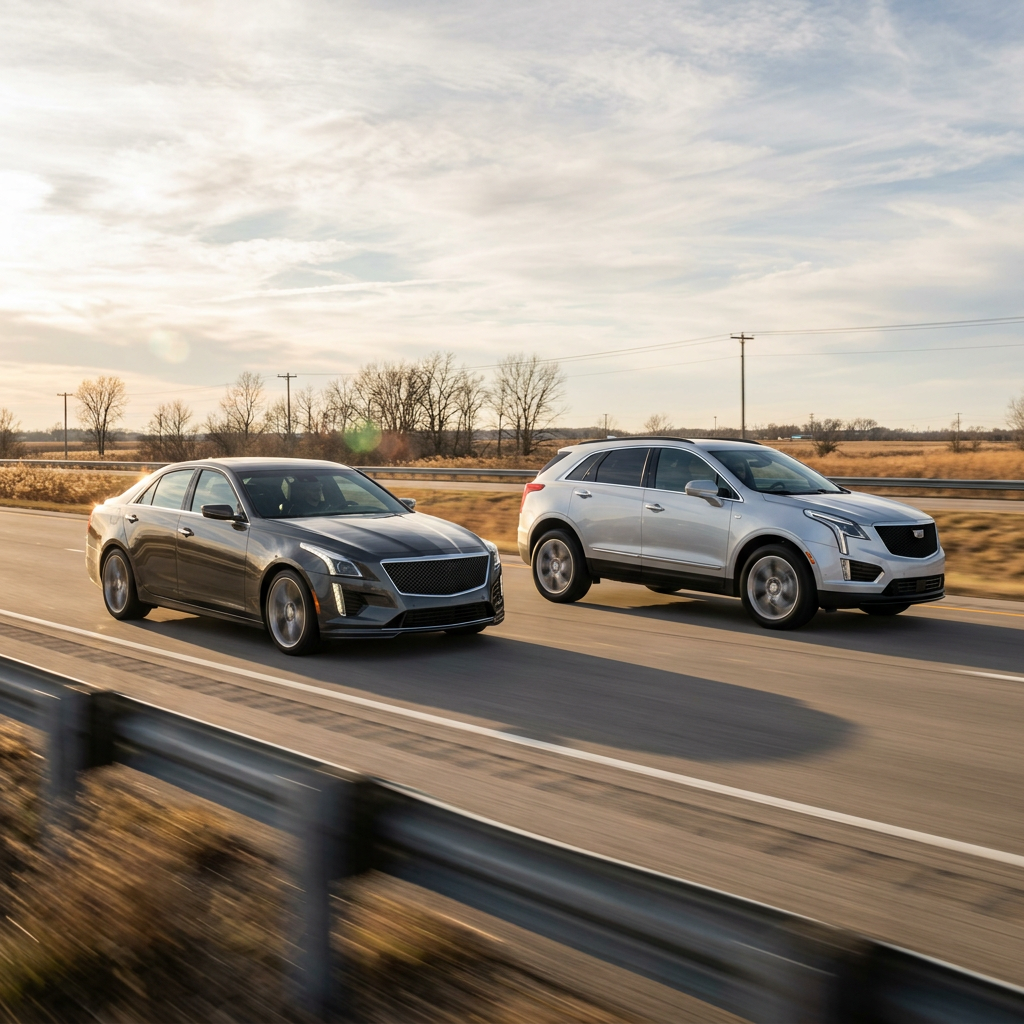
When planning a daily commute across Will County—whether traveling east-west along high-speed stretches of I-80 or navigating stopping-and-starting traffic down historic Route 66—the body style you choose exerts a far greater impact on fuel consumption than the AWD system itself. AWD Sedans: Sleek Efficiency & High-Speed Stability Luxury sedans feature lower drag coefficients (Cd) and smaller frontal surface areas. At highway speeds over 55 mph, aerodynamic resistance accounts for more than half of a vehicle's energy consumption. An AWD luxury sedan slices through high winds along open stretches between Plainfield and Joliet with minimal resistance, delivering peak fuel economy while keeping center-of-gravity low for crisp handling. AWD Midsize SUVs: Elevated Visibility & Winter Capability Midsize AWD SUVs sit higher, offering commanding sightlines over surrounding truck traffic on regional highways. However, their larger frontal profile and higher curb weight mean the engine works harder against wind resistance. While an AWD sedan might achieve 30+ MPG on interstate cruises, an equivalent AWD midsize SUV typically yields 25 to 28 MPG under identical highway conditions. If maximum fuel efficiency is your top priority for long commutes, an AWD sedan is the technical winner. If cargo capacity, commanding ride height, and snow clearance are paramount, the minor MPG sacrifice of a midsize SUV is easily justified. You can explore both body styles in person when you Browse New Inventory at Hawk Cadillac.
Are Long-Term Maintenance Costs Higher for Midsize AWD SUVs Than AWD Sedans?
Beyond daily fuel consumption, smart vehicle ownership requires looking at total operating expense over a 100,000-mile lifetime. Because midsize AWD SUVs carry additional weight and feature different drivetrain components than AWD sedans, their long-term routine service schedules differ slightly.
Drivetrain Fluids
Both AWD sedans and SUVs require periodic replacement of fluid in the rear differential and power transfer unit (typically every 45,000 to 60,000 miles). Due to heavier workloads and towing capabilities, midsize SUVs may require slightly larger fluid volumes, adding minor cost per service cycle.
Tire Rotations & Wear
AWD systems require equal tire circumference across all four wheels to prevent strain on central clutch packs. Tire rotations every 5,000 to 7,500 miles are non-negotiable. SUV tires are larger and typically cost 15%–25% more per set than equivalent sedan performance tires.
Brake Systems
Stopping a heavier midsize SUV exerts more kinetic energy on brake pads and rotors during stop-and-go highway traffic on Route 66. As a result, SUV brake pads typically reach wear limits around 35,000–45,000 miles, compared to 50,000+ miles on a lighter AWD sedan.
What Vehicle Safety Features Are Most Critical for Late-Fall Driving on I-80 and Route 66 in Will County?
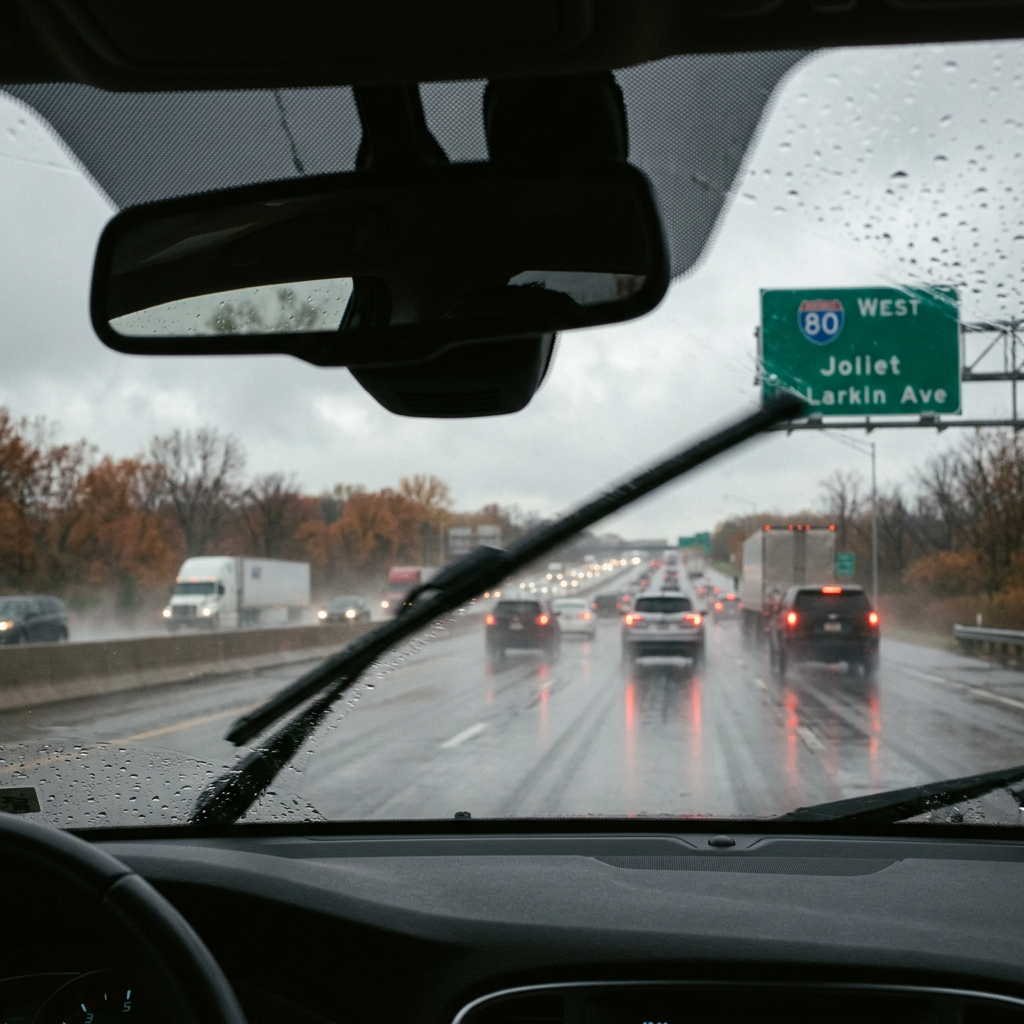
As autumn wanes in Northern Illinois, daily commuting conditions become volatile. Sun glare during early morning rush hours is suddenly interrupted by sudden downpours, black ice formation on elevated river crossings near Joliet, and unexpected fog along rural Route 66 stretches. To navigate late-fall weather with complete confidence, modern luxury commuters rely on key integrated active safety systems: • Forward Collision Alert & Automatic Emergency Braking: Detects sudden slowdowns ahead when visibility drops in heavy rain or spray from freight trucks on I-80. • StabiliTrak with Intelligent Traction Control: Constantly monitors wheel speeds, automatically applying micro-brake pressure to individual wheels during low-friction surface changes. • Lane Keep Assist with Lane Departure Warning: Keeps your vehicle centered during gusty crosswinds across open farm corridors in Will County. • Rain-Sensing Automatic Windshield Wipers: Dynamically adjusts wiper speed instantly when slush or spray hits the glass, preserving your view without manual adjustment.
Are All-Weather Tires Worth the Investment for Joliet Commuters Driving on Route 66 and I-80?
Many drivers confuse All-Season tires with modern All-Weather tires. Standard all-season rubber hardens into hockey pucks when temperatures drop below 45°F, dramatically increasing braking distance on wet pavement. All-Weather tires carry the 3-Peak Mountain Snowflake (3PMSF) rating, signifying true winter capability while remaining suitable for year-round driving.
Cold Rubber Pliability
All-weather compounds utilize advanced high-silica rubber formulations that stay pliable down to freezing temperatures. This flexibility maintains tread contact with cold pavement, preventing micro-skidding during emergency braking on highway ramps.
Slush & Water Evacuation
Featuring aggressive, high-density siping and deep circumferential channels, 3PMSF all-weather tires slice through highway standing water and thick slush. This significantly reduces hydroplaning risks when cruising at 65 mph on Route 66.
Year-Round ROI
Unlike dedicated snow tires, all-weather tires do not need to be unmounted and stored every spring. For Joliet commuters, upgrading to all-weather rubber on either a FWD or AWD vehicle yields exceptional ROI in winter peace-of-mind.
How Often Should Portable Lithium Car Jump Starters Be Recharged for Reliable Winter Commuting?
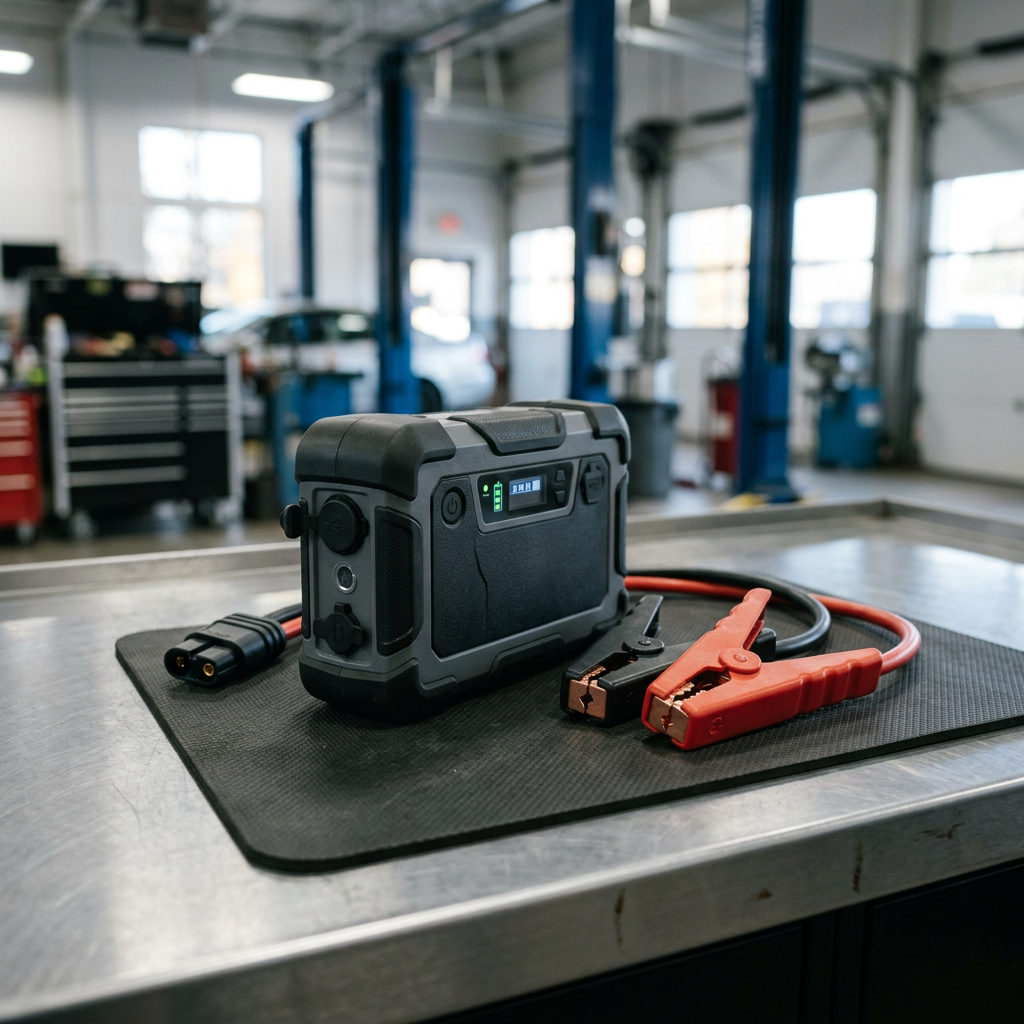
Portable lithium-ion jump starter packs have revolutionized roadside emergency kits, replacing clunky jumper cables with compact devices capable of starting a dead battery in seconds. However, leaving one tucked away in your glove box unmonitored all winter can lead to severe disappointment when you need it most. Cold Weather Self-Discharge Rates Lithium-ion cells react adversely to extreme cold. When stored in a vehicle trunk during a freezing Will County night (where temperatures drop below 20°F), a lithium jump pack can lose up to 20% to 30% of its stored capacity simply from thermal contraction. Recommended Service Schedule To ensure reliable performance during late-fall and winter commutes: 1. Recharge every 2 to 3 months: Set a seasonal calendar reminder to bring your jump pack indoors and charge it to 100% capacity. 2. Store in insulated cases: Keep the device in a padded, insulated storage case rather than bare metal compartments. 3. Check internal charge indicators before long trips: Verify that at least 3 out of 4 status LEDs light up before heading out on highway trips during severe cold snaps.
How Much Do Cold-Weather Automotive Battery Replacements Cost Near Joliet?
Cold weather is the ultimate test of automotive battery health. Sub-zero morning starts in Joliet require maximum Cold Cranking Amps (CCA) just when internal chemical reactions are sluggishest. Understanding replacement options prevents being stranded during your commute.
Standard Flooded Lead-Acid
Cost: $140 – $210 installed Ideal for conventional, non-start/stop entry vehicles. Offers dependable power for standard electrical loads, but exhibits faster CCA degradation over 3 to 4 years of extreme Illinois summer/winter temperature swings.
Premium Absorbed Glass Mat (AGM)
Cost: $240 – $380 installed Mandatory for modern luxury vehicles equipped with stop-start engine tech, heated seats, high-end audio, and complex AWD modules. Features 3x the cycle life and superior vibration resistance.
Professional Diagnostic Testing
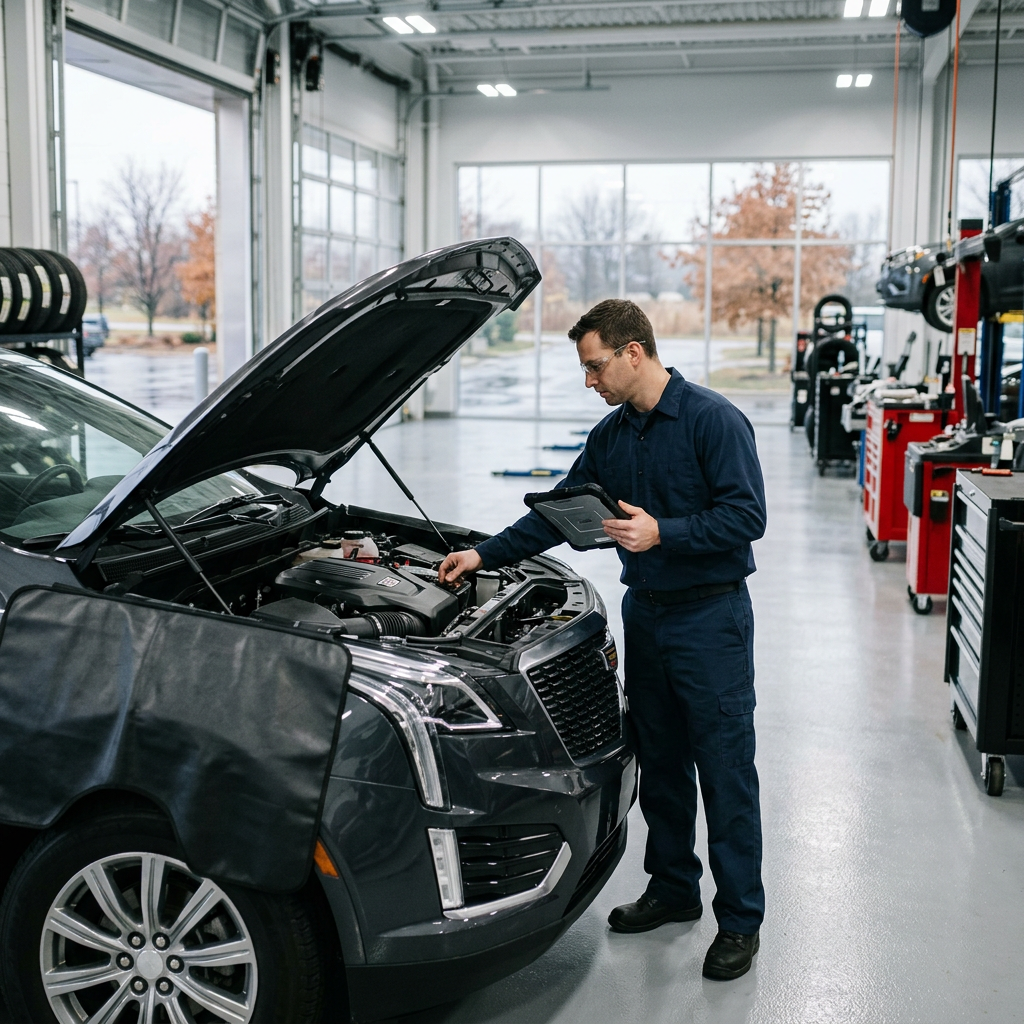
Cost: Complimentary with service Before replacing a battery, certified technicians run conductance tests to measure health, reserve capacity, and alternator output. If replacement is required, installation includes memory saver retention.
Navigating Late-Fall Commutes Along I-80 and Route 66 in Will County
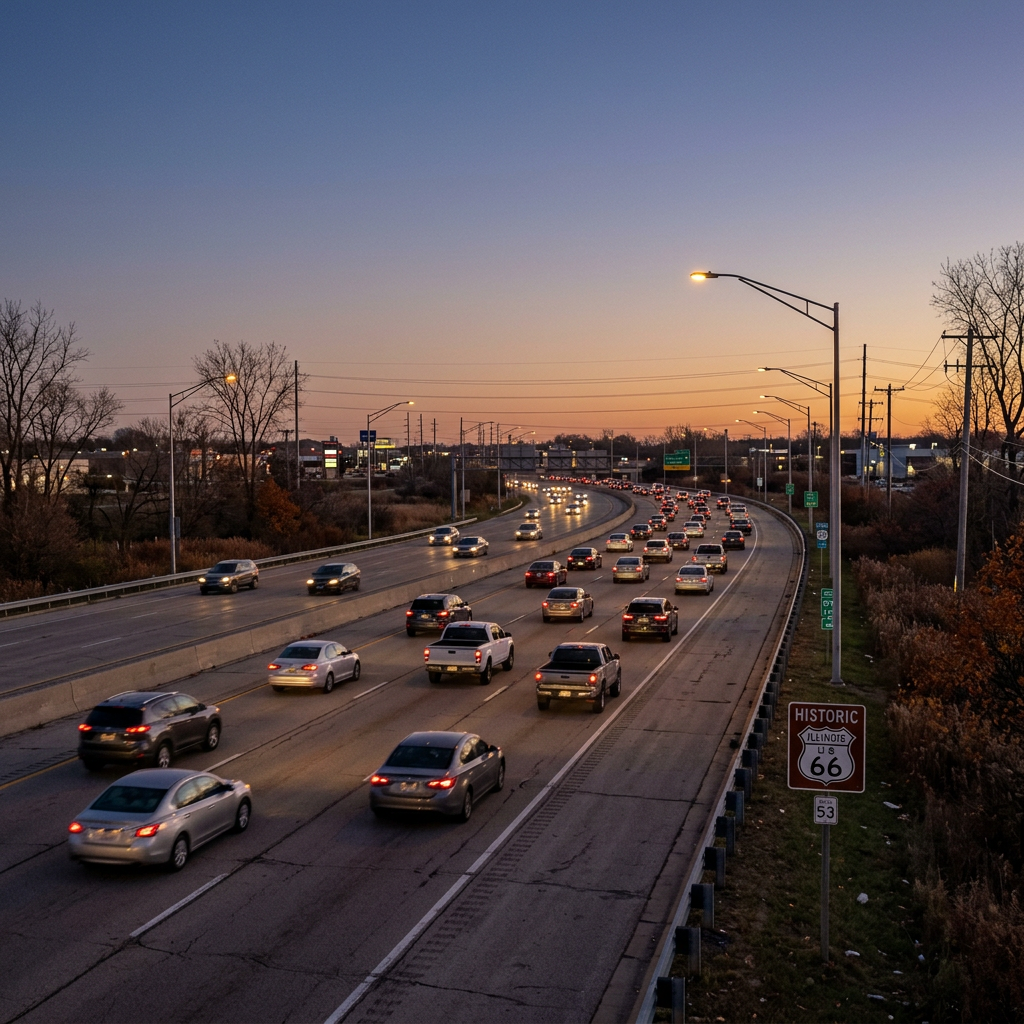
Daily commuting between Joliet, Plainfield, and Naperville requires tactical driving adjustments as late-fall weather patterns settle over Northern Illinois. Whether you drive a FWD sedan or an AWD SUV, adopting smart eco-driving habits protects both your wallet and safety. Modulating Speed & Following Distances High-speed corridors along I-80 often experience sudden, unexpected slowdowns near heavy interchange zones. Speeding up rapidly only to brake hard incinerates fuel and increases collision risks on wet pavement. Modulating your throttle smooths out speed variations, allowing your engine to operate in its peak efficiency powerband. Cold Morning Warm-Up Efficiency Myths Idling your vehicle in the driveway for 15 minutes to warm it up wastes fuel and increases engine wear. Modern fuel-injected engines warm up significantly faster while being driven gently. Thirty seconds of idling post-startup is all that is required for oil pressure to stabilize before setting off down Route 66. Tire Pressure Calibration in Cold Weather Ambient temperatures drop roughly 1°F for every 10-degree drop in outside air temperature. Running under-inflated tires increases rolling resistance dramatically, wiping out the fuel efficiency gains of your FWD or dynamic AWD system. Check tire pressure monthly using a digital pressure gauge.
Annual Gas Cost Realities: FWD vs. AWD Fuel Expense Breakdown for Northern Illinois Drivers
Let’s run the actual numbers for a standard daily commuter logging 15,000 miles per year across Will County (approx. 70% highway / 30% city split). Scenario Baseline Assumptions:• Annual Distance: 15,000 miles • Average Fuel Price: $3.60 / gallon • FWD Vehicle Rating: 30 MPG combined (27 city / 34 highway) • AWD Vehicle Rating: 28 MPG combined (25 city / 32 highway) Annual Fuel Calculations:• FWD Vehicle: 15,000 mi ÷ 30 MPG = 500 gallons total. 500 gal × $3.60 = $1,800 annual fuel cost. • AWD Vehicle: 15,000 mi ÷ 28 MPG = 536 gallons total. 535.7 gal × $3.60 = $1,928.50 annual fuel cost. The Bottom Line: The actual real-world difference in annual out-of-pocket gas expense between FWD and modern disconnect AWD is just $128.50 per year—or about $10.70 per month (less than a single fast-food meal).
Evaluating the Value Proposition: When weighed against the immense peace of mind provided by all-wheel traction during unexpected lake-effect snowstorms, sudden black ice on I-80 bridges, or heavy torrential late-fall rains, paying an extra $10.70 a month is one of the most cost-effective safety upgrades available on modern luxury vehicles. Rather than sacrificing winter traction to save pennies at the pump, commuters can offset this minor cost differential through simple vehicle upkeep: keeping tires inflated to specs, sticking to synthetic oil change intervals, and avoiding excessive idling.
Evaluating Your Current Vehicle's Winter Readiness and Efficiency
Before winter severe weather strikes Will County, take stock of your current commuter vehicle. Ask yourself the following key evaluation questions: 1. Does your current vehicle struggle for traction when accelerating from icy stoplights along Route 66? 2. Is your highway fuel economy dropping significantly below EPA estimates due to aging engine components? 3. Are maintenance costs starting to compound as your vehicle approaches higher mileage benchmarks? If your current commuter car requires major service or lacks modern active driver safety systems, upgrading to a fuel-efficient AWD or FWD luxury platform may be far more economical than continuing to repair an older car. At Hawk Cadillac, our team makes upgrading seamless. You can easily Value Your Trade online to find out what your current vehicle is worth in today's strong pre-owned market, or Get Pre-Approved for Financing before visiting our dealership.
Find the Ideal Fuel-Efficient Commuter Vehicle at Hawk Cadillac in Joliet
Navigating daily highway commutes on I-80 and Route 66 does not mean choosing between winter confidence and fuel economy. With modern Cadillac advanced AWD technology, you get the absolute best of both worlds: peak highway efficiency during fair weather and instant all-wheel traction when Northern Illinois weather turns harsh. Whether you are looking for an ultra-sleek luxury sedan or a versatile midsize AWD crossover, the expert team at Hawk Cadillac is ready to guide you to the perfect vehicle tailored to your daily drive. Visit our state-of-the-art showroom located at 2001 W Jefferson St, Joliet, IL 60435. Feel free to Call (815) 600-7027 to schedule a test drive, or Get Directions to Hawk Cadillac to meet with our sales specialists today.