2026 Luxury EV Comparison: How Tesla Compares to Porsche, Mercedes-Benz, BMW, and Cadillac
As the automotive landscape stabilizes in 2026, the luxury electric vehicle market has transitioned from an era of disruptive novelty to one defined by sophisticated engineering, exquisite craftsmanship, and refined customer service. For over a decade, Tesla served as the undisputed pioneer of mass-market luxury electrification, captivating early adopters with instant acceleration, minimalist cabin tech, and a robust proprietary charging infrastructure. However, as the 2026 model year unfolds, traditional luxury titans—Porsche, Mercedes-Benz, BMW, and Cadillac—have fully leveraged their century-long heritage of vehicle dynamics, interior luxury, and customer support to deliver electric vehicles that directly challenge Tesla's market dominance.
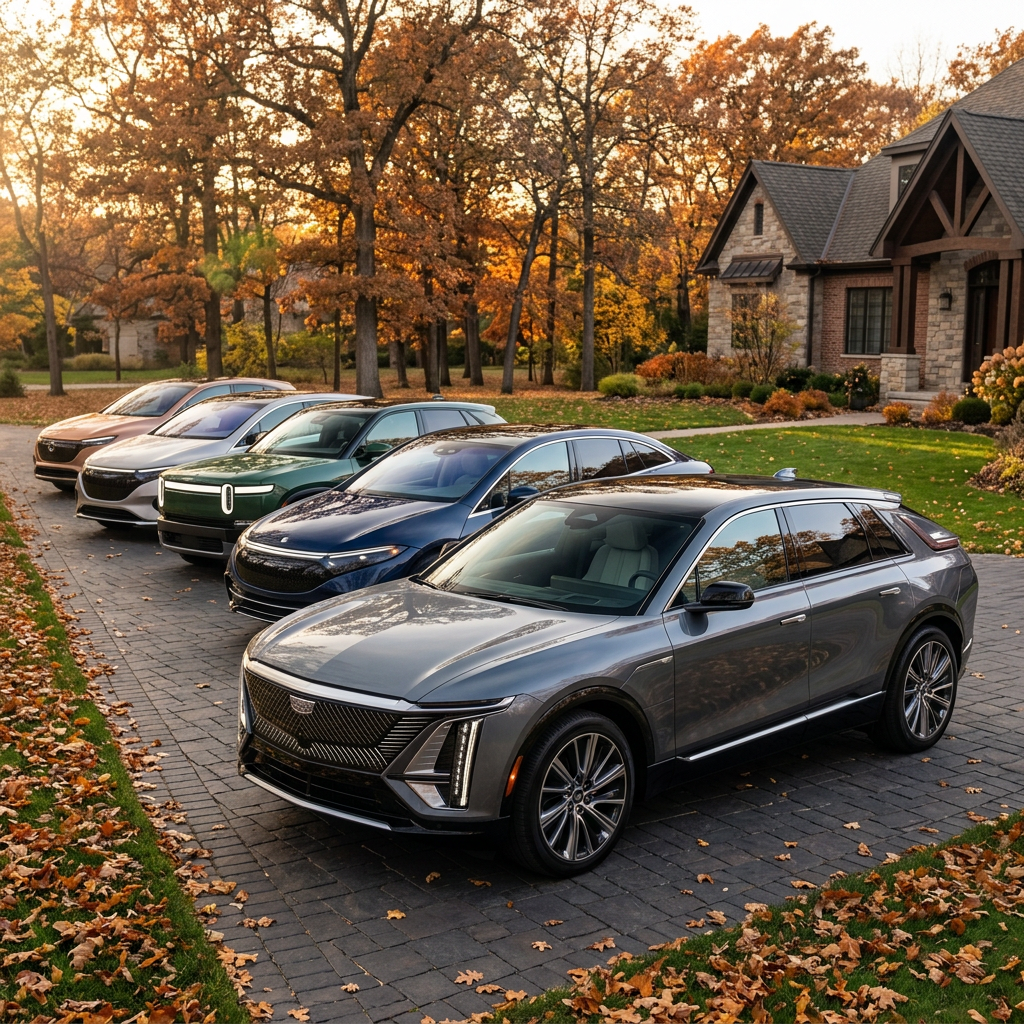
While Tesla continues to maintain distinct advantages in software integration simplicity, minimalist touchscreen controls, and raw battery-to-wheel energy efficiency, legacy automakers have overtaken the EV sector across parameters that traditionally define automotive luxury. Drivers in Joliet, Plainfield, and Naperville seeking a high-end EV in 2026 now prioritize tactile refinement, whisper-quiet cabin acoustics, flawless paint and body panel alignment, advanced active chassis tuning, and the security of a established local dealership service network. Brands like Cadillac, with flagship offerings such as the LYRIQ and ESCALADE IQ, combine cutting-edge Ultium platform battery chemistry with opulent materials and bespoke customer care.
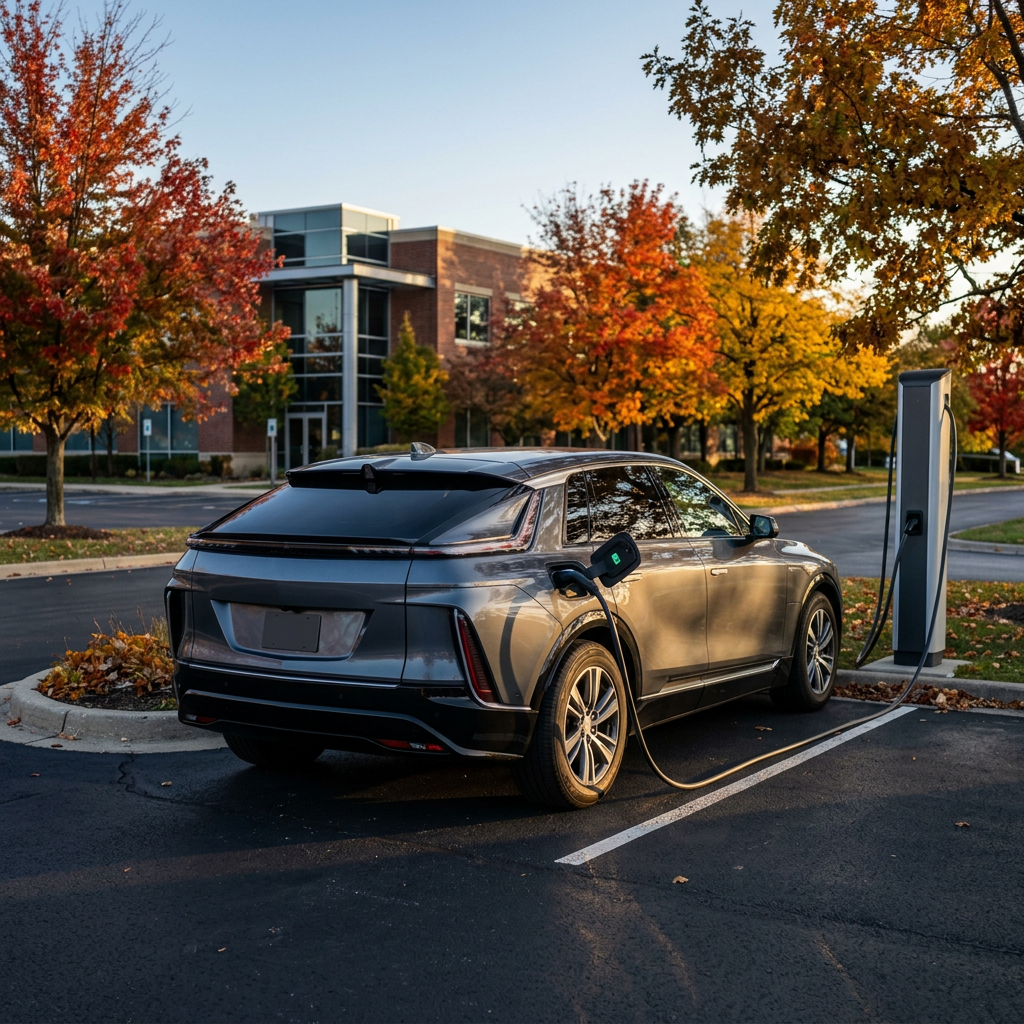
Furthermore, the universal adoption of the North American Charging Standard (NACS) ports across 2026 legacy electric models has effectively eliminated Tesla's historical trump card: exclusive access to the Supercharger network. Today, luxury buyers can experience the bespoke tailoring, supple hand-stitched leather interiors, and ultra-smooth magnetic ride control of a premier legacy vehicle while utilizing the exact same fast-charging stations across Northern Illinois. In this comprehensive 2026 comparison analysis, Hawk Cadillac explores how Tesla compares against legacy luxury giants across quality, performance, cold-weather capability, financial value, and overall ownership experience.
Why Are Luxury Automakers Rapidly Shifting to Electric Powertrains in 2026?
The rapid acceleration toward electric powertrains among premier automakers in 2026 is driven by an intersection of regulatory mandates, consumer expectations, and inherent mechanical advantages. Electric motors inherently possess operational characteristics that represent the ideal realization of automotive luxury: seamless, instantaneous torque delivery without gear shift interruption, total absence of internal combustion vibration, and near-silent operation under acceleration. Traditional luxury gasoline engines spent decades employing heavy sound deadening, multi-stage turbochargers, and complex 9-speed transmissions to simulate the effortless power vectoring that modern electric drivetrains deliver natively.
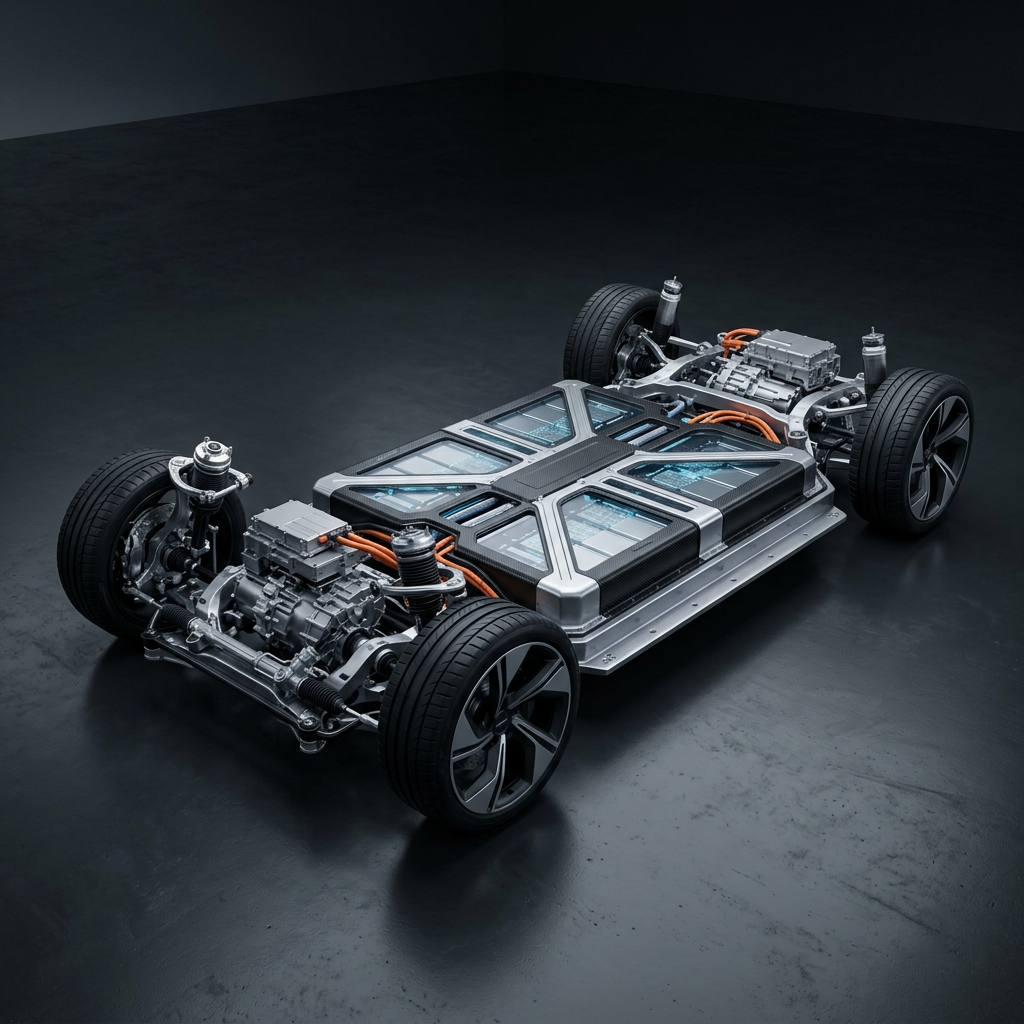
In suburban Chicago communities like Plainfield and Naperville, luxury car drivers are increasingly demanding vehicles that deliver sustainable technology without compromising comfort or prestige. Stringent environmental regulations and corporate fleet emissions targets have accelerated OEM investment, resulting in modular battery architectures that lower vehicle centers of gravity while expanding interior cabin space. Luxury automakers have recognized that electrification provides a cleaner canvas for advanced vehicle architectures, allowing intelligent suspension management, vehicle-to-home power export, and immersive multi-screen cockpit environments that far outshine legacy ICE platforms.
Moreover, electric powertrains eliminate hundreds of moving mechanical parts—such as timing belts, spark plugs, torque converters, and exhaust scrubbers—reducing maintenance friction while delivering supercar-level performance statistics in everyday family SUVs and sedans. This mechanical elegance allows engineers to reallocate physical space to passenger legroom, acoustic insulation, and state-of-the-art chassis electronics.
Build Quality and Interior Refinement: Tesla Minimalist Tech vs. Legacy Luxury Craftsmanship
The contrast between Tesla and established legacy manufacturers is most pronounced when stepping inside the cabin and inspecting exterior assembly precision. Tesla pioneered a hyper-minimalist interior philosophy centered almost entirely around a single central touchscreen interface. While this approach appeals to tech purists who prefer stark, button-free dashboards, it frequently sacrifices tactile ergonomics and material warmth. Tesla models rely heavily on synthetic seating surfaces, hard interior plastics, and integrated screen functions for everyday features like adjustability of climate vents, glovebox opening, and side-view mirror positioning.
In stark contrast, legacy luxury brands—led by Cadillac, Porsche, Mercedes-Benz, and BMW—view interior cabin design as a sanctuary of multi-sensory craftsmanship. In models like the Cadillac LYRIQ, drivers are greeted by real authentic wood trim with laser-etched backlit illumination, hand-stitched leather upholstery, knurled metal rotary controllers, and active noise cancellation systems paired with custom AKG Studio audio systems. Furthermore, acoustic glass application in legacy luxury vehicles drastically reduces wind and road noise compared to Tesla's lighter cabin soundproofing profiles.
|
Interior & Build Attribute
|
Tesla (Model S / Model Y)
|
Cadillac (LYRIQ / ESCALADE IQ)
|
German Competitors (Porsche / Benz / BMW)
|
|
Primary Cabin Focus
|
Minimalist Screen-Centric Tech
|
Bespoke Luxury & Curved Displays
|
Tactile Sport & Hyperscreen Cockpits
|
|
Seating & Trim Materials
|
Synthetic Vegan Leather, Plastic Trim
|
Hand-Stitched Leather, Real Wood, Metal
|
Nappa Leather, Carbon Fiber, Crystal
|
|
Acoustic Insulation
|
Standard Double-Pane Glass
|
Active Noise Cancellation & Acoustic Glass
|
Multi-Layer Sound Dampening & Acoustic Glass
|
|
Exterior Panel Precision
|
Variable Alignment Tolerances
|
Laser-Measured Precision Gaps
|
Strict European Factory Quality Control
|
|
Tactile Physical Controls
|
Minimal / Screen Integrated
|
Tactile Knurled Metal & Physical Switches
|
Hybrid Touch Screen & Tactile Rotary Dials
|
Exterior build execution remains another critical area of differentiation. Industry quality audits continue to point out panel alignment variances, paint thinness, and rubber seal wear on mass-produced direct-to-consumer EVs. Established luxury factories utilize automated laser-guided assembly protocols that ensure uniform millimeter-perfect panel gaps and paint depth standards designed to withstand decades of Midwest climate exposure.
What Unique Performance Advantages Do Luxury EVs Offer Over ICE Luxury Cars?
Instantaneous Torque
Unlike internal combustion engines that require engine RPM to build peak horsepower and torque, electric motors deliver 100% of their rated torque from 0 RPM. Merging onto I-55 or passing near Joliet becomes instantaneous, smooth, and effortless.
Low Center of Gravity
Heavy battery packs positioned flat beneath the cabin floor lower the center of gravity drastically compared to top-heavy gas engines. This architecture eliminates body roll in tight corners while providing stable, planted handling during high-speed cruising.
Independent Multi-Motor AWD
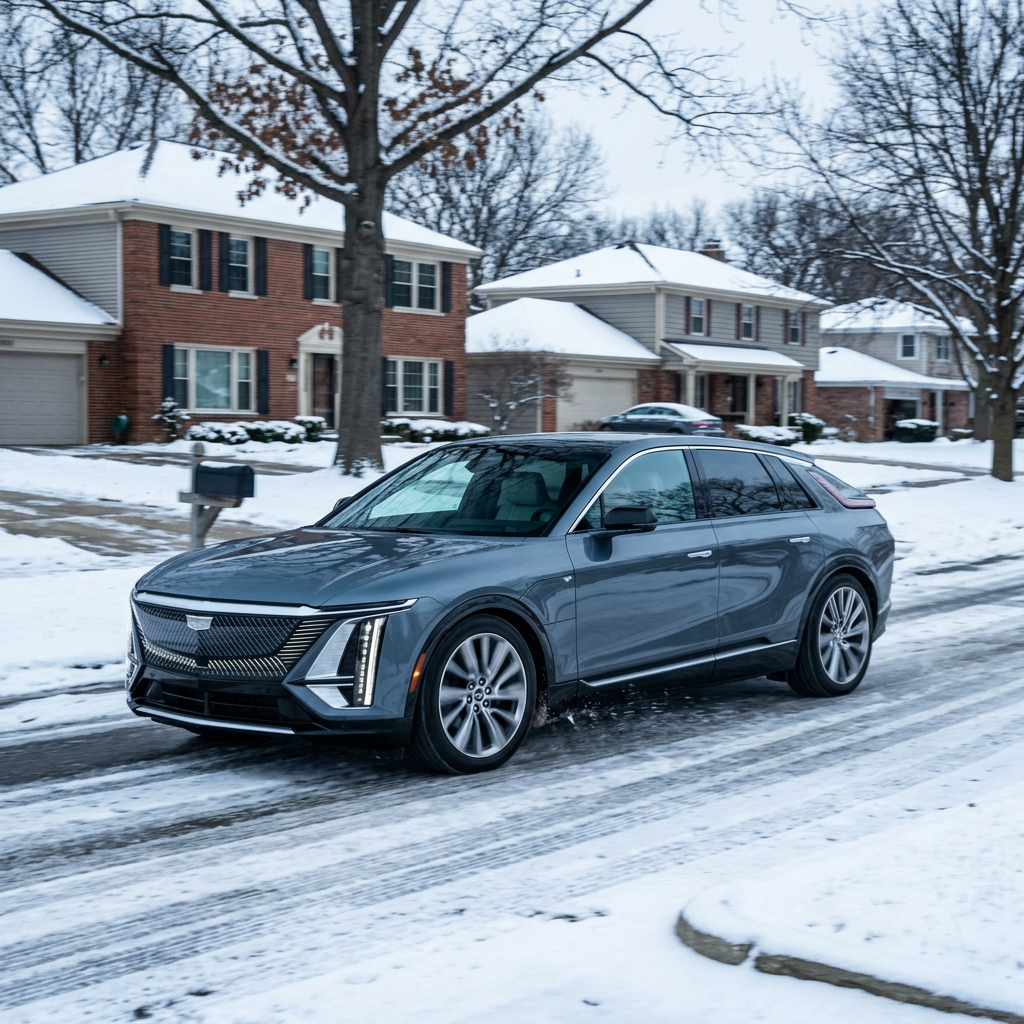
Dual and triple-motor EV architectures adjust power delivery to individual wheels in milliseconds—far faster than traditional mechanical drive shafts or differentials. This provides unparalleled traction control on slick winter roads in Will County.
Which Legacy Luxury Brand Leads in Overall EV Sales Quality and Customer Satisfaction?
When evaluating long-term EV ownership satisfaction, purchase experience and post-sale service play as critical a role as range statistics. Independent automotive quality studies and buyer satisfaction surveys highlight a widening gap between direct-to-consumer EV models and full-service legacy dealer ecosystems. Tesla's direct-sales model bypasses traditional dealerships, which simplifies initial online ordering but frequently creates significant friction during service requests, warranty claims, body repairs, and replacement parts fulfillment.
Cadillac has emerged as a leader in initial EV sales satisfaction among luxury domestic brands in 2026. By combining comprehensive EV training for certified technicians with white-glove concierge services, Cadillac dealership networks provide dedicated customer support. Luxury drivers in Joliet and surrounding Will County benefit from local service centers stocked with genuine OEM parts, loaner vehicle availability, and master technicians who perform routine maintenance or diagnostic work promptly.
German manufacturers like Porsche, BMW, and Mercedes-Benz maintain strong satisfaction ratings for high-speed dynamic performance and showroom presentation. However, high maintenance rates and complex multi-screen software setups have drawn mixed feedback from drivers seeking intuitive everyday usability. Cadillac strikes a harmonious balance: delivering award-winning design and technology backed by an accessible, community-rooted dealership infrastructure.
For buyers who value face-to-face accountability, tailored vehicle walk-throughs, and long-term peace of mind, the traditional luxury dealership framework remains unmatched compared to mobile repair vans and remote app scheduling.
How Much Money Can Luxury EV Owners Save on Maintenance Compared to Gas Luxury Cars?
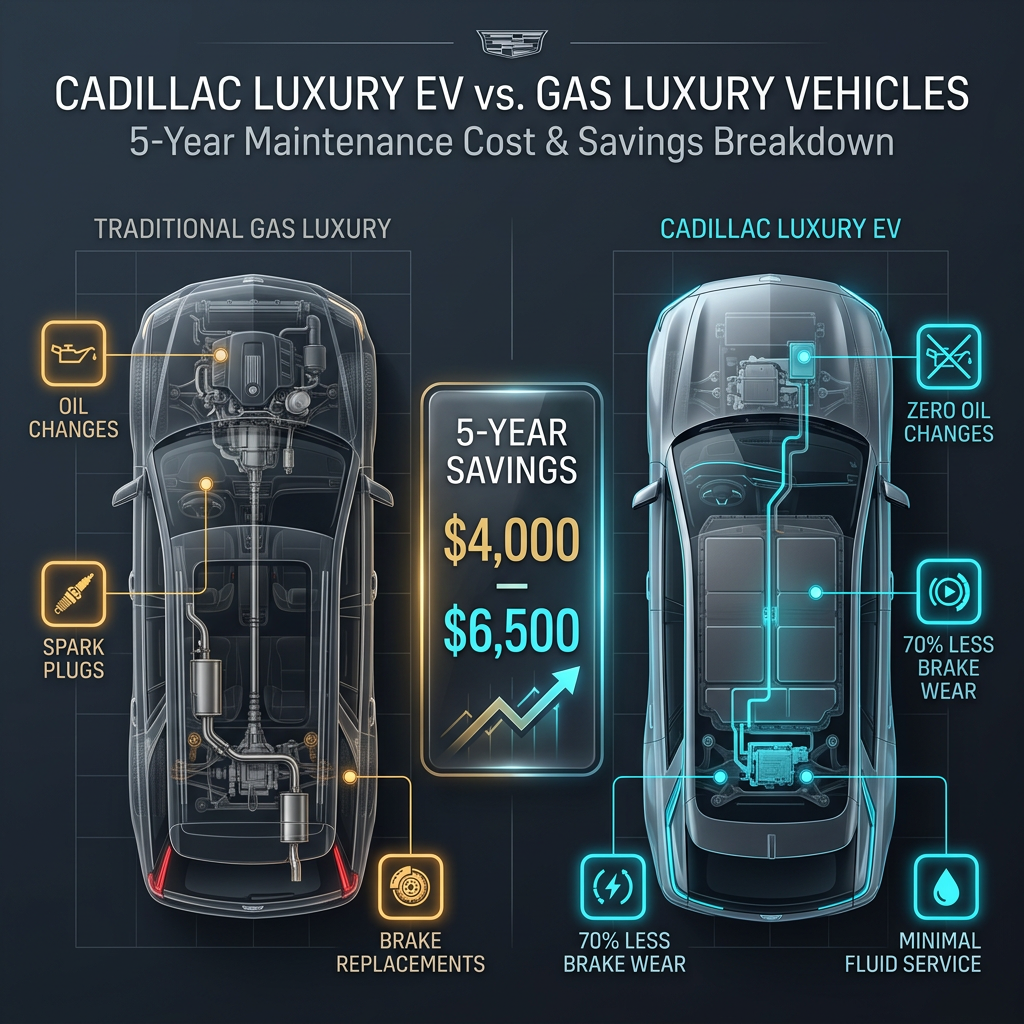
One of the most compelling economic benefits of transitioning from an internal combustion engine (ICE) luxury vehicle to a modern luxury EV is the substantial reduction in routine routine maintenance expenses. Traditional high-performance engines from BMW, Mercedes, or Porsche require frequent oil changes, spark plug replacements, transmission fluid flushes, coolant system flushes, drive belt replacements, and costly exhaust component repairs over a 5-year ownership period.
|
Service Category
|
Gasoline Luxury Sedan / SUV (5-Yr Avg)
|
Luxury Electric Vehicle (5-Yr Avg)
|
Estimated 5-Year Savings
|
|
Engine Oil & Filter Changes
|
$1,200 - $1,800
|
$0 (Not Required)
|
$1,200 - $1,800
|
|
Brake System Maintenance
|
$1,500 - $2,500 (Pads & Rotors)
|
$300 - $600 (Regen Braking Reduces Wear)
|
$1,200 - $1,900
|
|
Transmission & Drivetrain Services
|
$800 - $1,400
|
$0 (Direct Drive / Gearless)
|
$800 - $1,400
|
|
Spark Plugs, Belts & Filters
|
$900 - $1,500
|
$150 - $300 (Cabin Air Filter Only)
|
$750 - $1,200
|
|
Total Estimated 5-Year Maintenance
|
$4,400 - $7,200
|
$450 - $900
|
$3,950 - $6,300 Total Savings
|
In addition to eliminating oil changes entirely, electric vehicles utilize regenerative braking, which uses the electric motor to slow the vehicle down while recharging the battery. This reduces physical wear on brake pads and rotors by up to 70%, extending brake component life for years. Over a 5-year, 60,000-mile period, luxury EV owners can reasonably expect to save between $4,000 and $6,500 in direct maintenance costs.
What Are Average Home Charging Installation Costs and Local Rebates Near Joliet and Plainfield?
For most luxury EV drivers in Joliet, Plainfield, and Naperville, 80% to 90% of vehicle charging takes place overnight at home. Installing a Level 2 (240-volt) dedicated home charging station allows owners to replenish 25 to 35 miles of range per hour, ensuring a fully charged vehicle every morning. The initial investment for home charging equipment typically ranges from $500 to $900 for a UL-listed smart charger, with electrical installation labor ranging between $500 and $1,500 depending on your home's main panel capacity and wiring distance.
Fortunately, local power utilities across Will and DuPage counties offer generous incentive programs to offset installation costs. ComEd provides residential rebates up to $2,500 for eligible electrical panel upgrades and smart charger installations that support off-peak charging schedules. Additionally, federal tax incentives (30% credit up to $1,000 for home charging hardware and installation) help reduce out-of-pocket expenses further.
By leveraging off-peak electricity rates through utility programs in Plainfield and Naperville, luxury EV owners can power their daily commutes at an equivalent fuel cost of roughly $1.10 to $1.35 per gallon of gasoline—delivering massive ongoing savings compared to premium high-octane fuel required by gas luxury engines.
Battery Range, Charging Speed, and NACS Supercharger Infrastructure Access in 2026
In early EV development, public charging infrastructure was Tesla's strongest competitive advantage. However, 2026 marks a major milestone: the universal integration of the North American Charging Standard (NACS) port across legacy luxury vehicle platforms. Cadillac, Porsche, Mercedes-Benz, and BMW now equip their 2026 models with native NACS inlet ports or factory-backed adapters, granting full access to over 15,000 Tesla Supercharger stalls nationwide.
While Tesla vehicles offer competitive total range estimates, legacy luxury automakers lead in peak charging speeds and voltage architecture. Models like the Porsche Taycan and advanced Ultium-based Cadillac vehicles utilize high-voltage 800-volt battery architectures capable of supporting DC fast charging up to 300 kW or higher. This architecture allows drivers to add 100 to 180 miles of highway range in under 12 to 15 minutes at high-speed public chargers, drastically reducing road-trip stop times.
Real-world range in 2026 luxury EVs routinely exceeds 300 to 450 miles on a full charge, easily accommodating long highway trips across the Midwest without charger anxiety. Integrated connected navigation automatically pre-conditions the battery pack temperature while en route to a fast charger, optimizing charging speeds upon arrival regardless of weather conditions.
Resale Value, Depreciation, and Trade-In Options for Tesla vs. Legacy Luxury EVs
Vehicle residual values and market depreciation have become critical considerations for luxury electric vehicle buyers over recent years. Tesla's business strategy of implementing unpredictable, sudden brand-wide MSRP price cuts across new models severely impacted second-hand resale values, causing rapid depreciation for existing Tesla owners.
Conversely, legacy luxury brands like Cadillac maintain disciplined pricing structures, stable production schedules, and residual value support programs that protect owner equity. Furthermore, trading in a vehicle with an established local dealership like Hawk Cadillac provides transparent valuation and seamless transaction security.
When upgrading to a new luxury EV, vehicle owners can Value Your Trade directly with expert appraisers in Joliet who understand local market conditions and options pricing—ensuring top-market trade values toward your new purchase or lease.
Established dealership networks offer trade-in flexibility across gasoline, hybrid, and electric models, avoiding lowball automated online algorithms and providing hassle-free title transfers and tax offset advantages on your new vehicle lease or finance contract.
Winter Performance and Daily Commuting Across Naperville and Plainfield
Advanced Heat Pumps
2026 legacy luxury EVs feature energy-efficient heat pump systems that capture waste heat from the battery and electric motors to warm the cabin, preserving battery range during freezing Illinois winters.
Smart Pre-Conditioning
Pre-condition your cabin and battery temperature via smartphone app while plugged in at home in Naperville or Plainfield—ensuring a warm interior and maximum operating efficiency before departing.
Dual-Motor All-Wheel Drive
Instant torque vectoring and precise electronic traction control systems deliver confident control on snow-covered roads across Will County, outperform traditional mechanical AWD systems.
Financing and Leasing Options for Next-Generation Luxury Electric Vehicles
Navigating EV financing in 2026 presents distinct financial opportunities when choosing established luxury brands over direct-sales competitors. Leasing has become the preferred acquisition method for modern EV drivers, allowing clients to upgrade to new battery technology every 24 to 36 months without long-term technology risk.
Through commercial lease provisions, federal clean vehicle tax incentives (up to $7,500) can often be passed directly into lease payment calculations across Cadillac EV models regardless of individual income caps that limit retail purchase tax credits. This results in remarkably attractive monthly lease terms on flagship luxury EVs.
Our finance specialists at Hawk Cadillac offer tailored financing and lease packages designed around your driving habits. You can Get Pre-Approved for Financing online in minutes to explore competitive interest rates, flexible lease terms, and promotional manufacturer incentives.
Whether financing through GM Financial or taking advantage of customized credit structures, our team provides transparent options that align with your financial goals.
Experience Next-Generation Luxury Electric Vehicles at Hawk Cadillac in Joliet
While Tesla blazed the trail for modern electric vehicles, the 2026 automotive landscape belongs to luxury manufacturers who have perfected the synthesis of cutting-edge EV technology, whisper-quiet cabin luxury, handcrafted materials, and local customer support. Cadillac's line of next-generation electric vehicles exemplifies this standard—offering sophisticated Ultium battery engineering, Super Cruise hands-free driver assistance, and world-class interior execution.
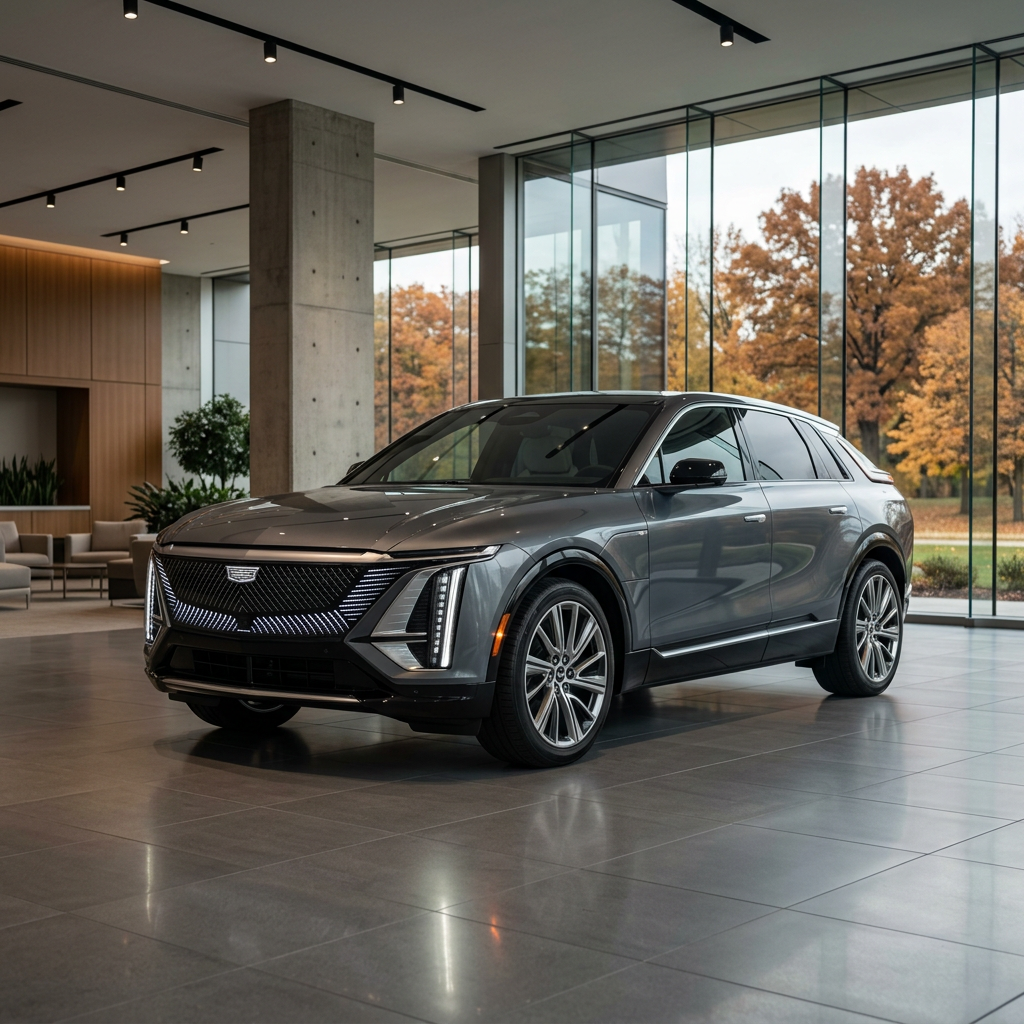
We invite luxury drivers across Joliet, Plainfield, Naperville, and surrounding Will County to experience the future of refined driving firsthand. Visit our showroom at 2001 W Jefferson St in Joliet, IL to explore our expansive new electric inventory, compare vehicle trims, and take a comprehensive test drive. Get Directions to Hawk Cadillac or give our team a call today at Call (815) 600-7027 to speak with a dedicated EV specialist.