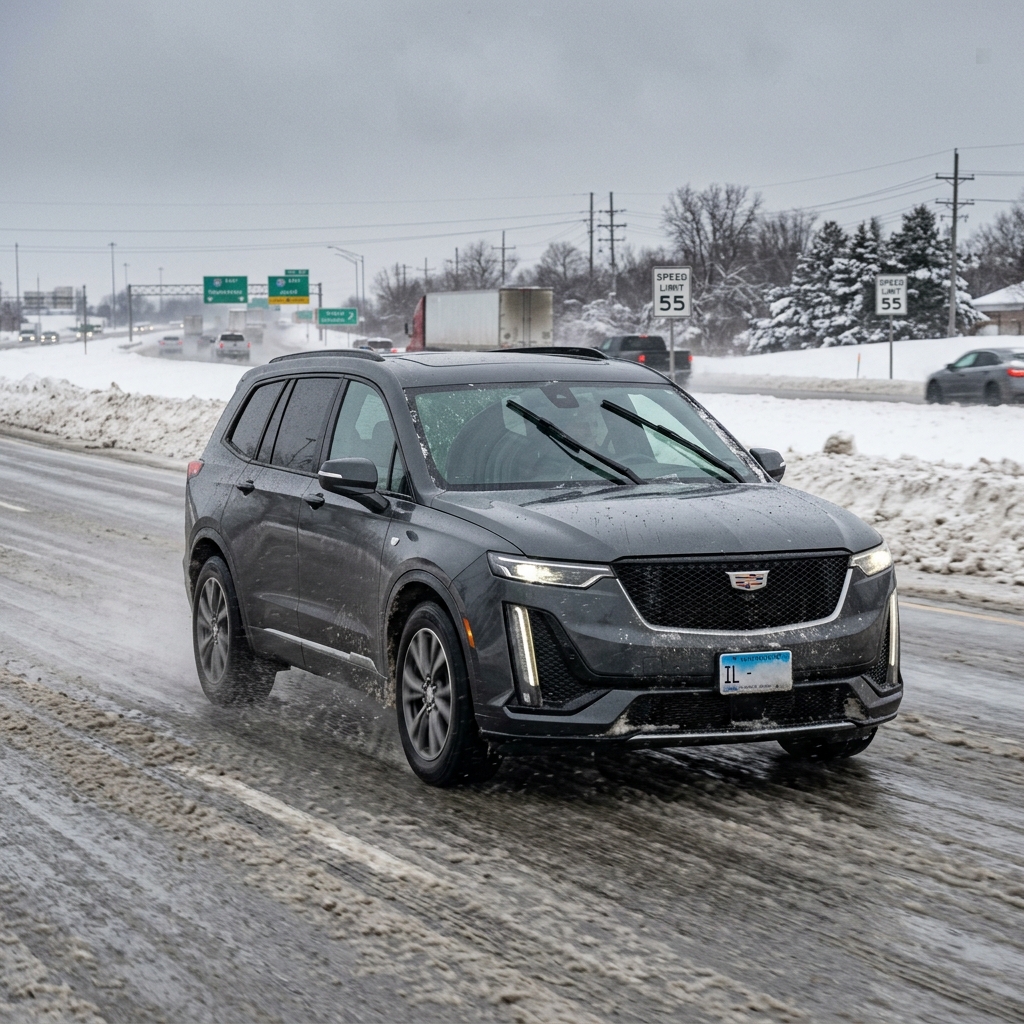
Winter Wiper Blades vs. All-Season Blades: Cost, Performance, and Bottom-Line Comparison
When sub-zero temperatures, lake-effect snow, and freezing road salt slurries descend upon Northern Illinois, clear windshield visibility transitions from a basic convenience to a critical safety requirement. Cadillac owners frequently face a practical seasonal dilemma: Should you rely on standard all-season wiper blades year-round, or invest in heavy-duty winter wiper blades engineered specifically for extreme cold? The short answer comes down to a modest upfront price difference that yields substantial safety, performance, and long-term durability returns.
Direct Answer Key Takeaway: High-performance winter wiper blades typically cost $5 to $15 more per blade than conventional all-season options (averaging $30 to $50 per blade compared to $20 to $35 for standard beam blades). However, winter blades deliver drastically superior clearing power in sub-zero weather. Their specialized low-temperature rubber compounds maintain pliability down to severe freezing points, while protective rubber boots or frameless aerodynamic armor prevent slush and ice from pack-freezing the blade frame. For drivers traversing Joliet, Plainfield, and Naperville during harsh winter months, upgrading to winter wiper blades prevents blinding streaks, eliminates dangerous blade chatter, and protects your luxury vehicle's windshield glass.
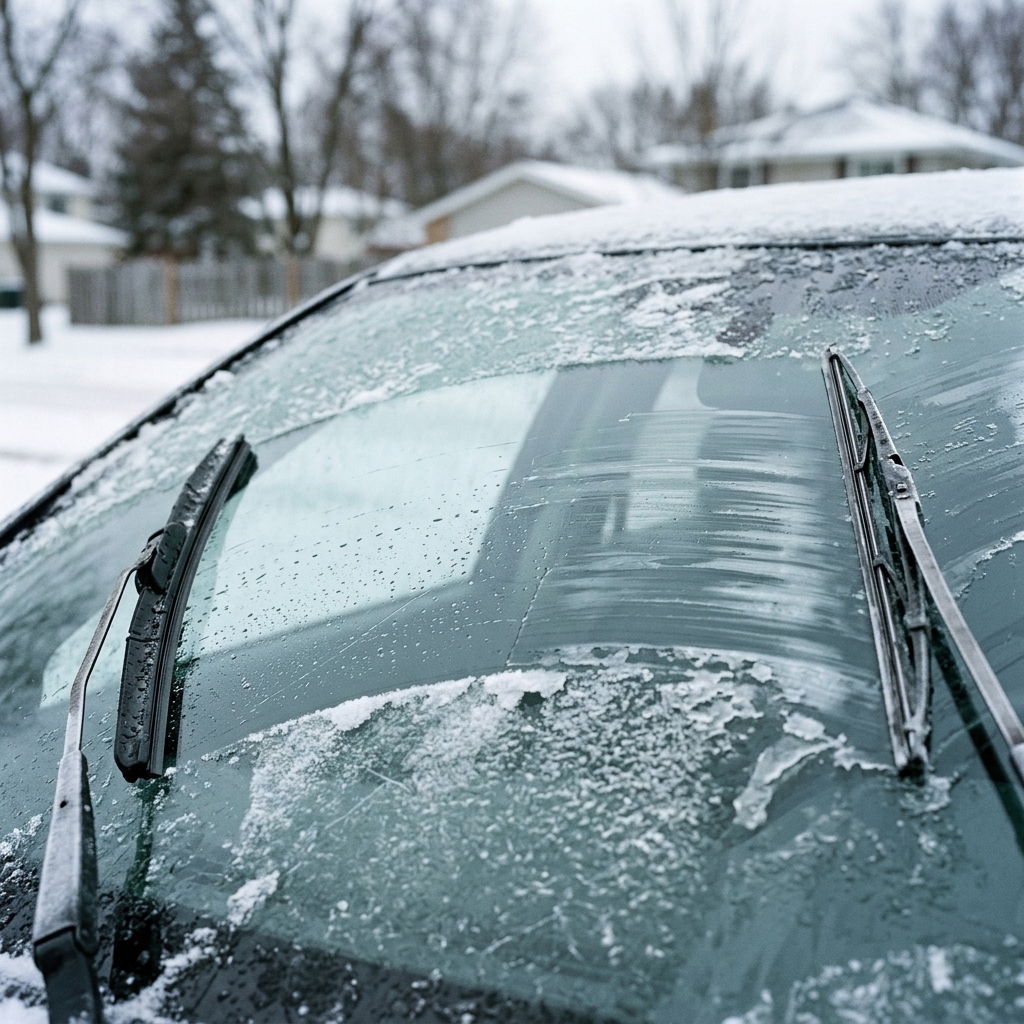
While standard all-season wiper blades perform exceptionally well in ambient spring rain and moderate summer showers, their synthetic rubber edges harden significantly when temperatures drop below freezing. Once rigid, standard squeegees skip across the windshield glass, leaving behind hazardous sheets of un-wiped water, slush film, and chemical road salt residue. Evaluating the initial investment against long-term visibility benefits demonstrates that specialized winter blades are not merely an optional accessory—they are an essential component of total winter vehicle readiness. Explore our Browse New Inventory selection to see how modern Cadillac luxury vehicles integrate advanced heated windshield features with specialized wiper systems.
Performance Breakdown: How Winter Rubber Compounds and Booted Frames Handle Ice and Snow
The mechanical differences between standard all-season blades and true winter wiper blades stem from material science and structural engineering. Standard all-season wipers utilize natural rubber or standard ethylene propylene diene monomer (EPDM) synthetic rubber. While highly flexible in 70°F weather, standard EPDM undergoes a process called glass transition at freezing temperatures. The polymer chains tighten, causing the rubber squeegee to stiffen, crack, and lose its ability to conform to the curvature of your Cadillac's windshield.
In contrast, premium winter wiper blades incorporate cold-climate synthetic rubber formulations enriched with silicone or specialized soft-compound polymers. These advanced squeegees maintain supple elasticity even in sub-zero ambient temperatures (-20°F and lower). Because the squeegee edge remains pliable, it glides smoothly over ice micro-crusts, maintaining uniform surface contact across every square inch of glass without chattering or skipping.
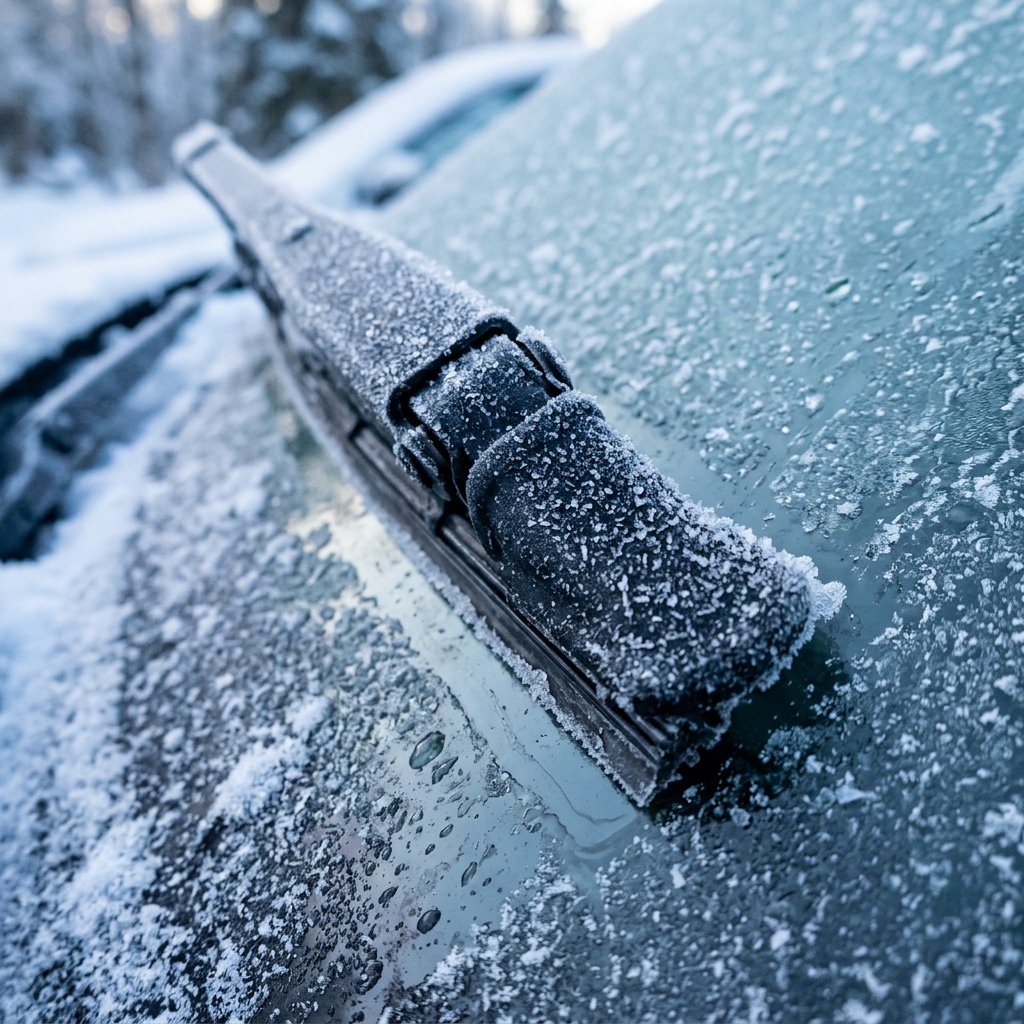
Furthermore, conventional metal-frame wiper blades feature exposed flex-joints and pressure points. In freezing rain or slushy highway conditions, water settles inside these metal joints and freezes solid. Once frozen, the blade arm cannot flex, leaving wide un-wiped patches directly across the driver's sightline. Heavy-duty winter blades solve this by enclosing the entire metal skeleton within an impermeable protective rubber or silicone boot, completely blocking ice, snow, and road grime from locking the arm hinges.
How Much Do Cadillac Replacement Wiper Blades Cost?
Standard All-Season Beam Blades
Cost Range:$20 to $35 per blade ($40 - $70 set)
Expected Lifespan: 6 to 12 months
Best Suitable For: Mild spring, summer, and autumn rain. Lightweight aerodynamic structure reduces high-speed drag during dry, warm driving conditions, but synthetic compounds harden quickly below freezing.
Heavy-Duty Winter Booted Blades
Cost Range:$30 to $50 per blade ($60 - $100 set)
Expected Lifespan: 1 to 2 winter seasons
Best Suitable For: Severe winter conditions, freezing rain, and sub-zero squalls. Rubber-booted shells shield linkages from snow buildup while soft silicone/rubber edge flexes over windshield ice.
Genuine OEM Cadillac Assemblies
Cost Range:$35 to $60 per blade ($70 - $120 set)
Expected Lifespan: 12 to 18 months
Best Suitable For: Factory-precision curvature, integrated washer jet mounts, and whispersilent acoustic dampening. Designed to withstand extreme cold while preserving sleek luxury styling.
When evaluating value over a 12 to 24-month horizon, running standard all-season blades continuously through harsh Northern Illinois winters often leads to premature blade degradation, torn rubber edges, and frequent emergency replacements. Investing in dedicated winter blades or factory OEM Cadillac replacements pays dividends by prolonging wiper lifespan and protecting your windshield from scratch damage caused by frozen frame joints. You can Order Genuine Cadillac Parts directly from our dealership for perfect factory fitment.
How Do You Put 2026 Cadillac Wiper Arms Into Service Position?
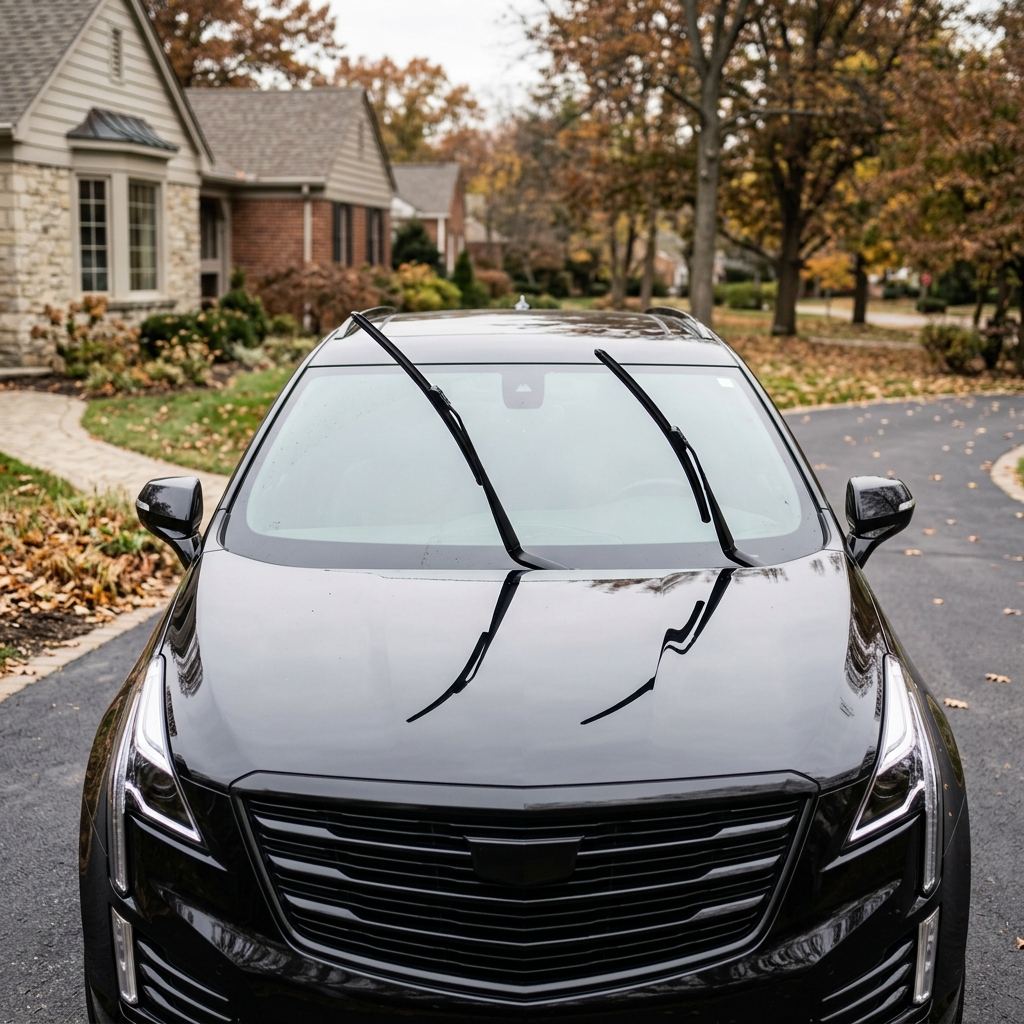
Modern late-model 2026 Cadillac luxury vehicles—including the Escalade, LYRIQ, CT5, XT4, XT5, and XT6—feature sleek, aerodynamic cowl designs where the wiper arms park below the rear edge of the aluminum hood line. Attempting to manually force or lift the wiper arms upward while in their standard parked resting position will result in harsh metallic contact against the rear hood edge, causing severe paint chipping, scuffing, or arm damage.
To safely inspect, clean, or change your wiper blades, you must activate the electronic Wiper Service Position. Follow this step-by-step technical guide:
1. Turn the ignition ON (or power up the vehicle system) and then immediately turn the engine/vehicle OFF.
2. Within 15 seconds of switching off the vehicle, press down and hold the windshield wiper stalk lever at the bottom position for approximately 3 seconds.
3. Alternatively, on late-model vehicles equipped with the Google Built-In CUE Infotainment System, navigate to Settings Controls Vehicle Vehicle Maintenance Wiper Service Position on the touchscreen and toggle it ON.
4. The wiper arms will automatically sweep upward into a vertical position on the windshield, allowing you to easily lift them forward off the glass without touching the hood edge.
How Can You Clean Cadillac Wiper Blades to Stop Them From Streaking?
1. Isopropyl Alcohol Cleanse
Dampen a lint-free microfiber towel with 70% isopropyl alcohol or premium automotive windshield washer fluid. Gently pinch the flexible rubber squeegee blade between your thumb and index finger using the cloth, wiping down the full length from hinge to tip. Repeat until no dark road film or black grime transfers onto the rag.
2. Protect Graphite Coating
Never scrub the rubber edge with harsh petroleum-based degreasers, gasoline, or abrasive nylon scouring pads. High-end Cadillac OEM wiper blades feature a micro-thin factory graphite coating that minimizes friction and chatter against windshield glass. A gentle wipe removes salt film while preserving this essential friction-reducing barrier.
3. Glass Decontamination
Streaking is rarely caused by the blade alone. Clean the exterior windshield thoroughly using a dedicated automotive glass cleaner and a clay bar if sap or embedded road tar is present. Ensure winter washer fluid rated down to -20°F is flushed through the washer reservoir to prevent fluid freezing on contact.
Why Does a Clean Cadillac Wiper Blade Still Leave Streaks?
If you have thoroughly cleaned your wiper squeegee with alcohol and scrubbed your windshield glass, yet persistent smearing, haze, or water skipping remains, the issue stems from structural or material failure rather than simple dirt surface contamination.
Primary Root Causes of Persistent Streaking:
• Hardened Rubber Polymer: UV radiation and thermal cycling harden the rubber core. Once oxidized, the squeegee edge can no longer flip back and forth during directional changes, dragging sideways and leaving liquid film.
• Wiper Arm Spring Tension Loss: The steel tension spring housed inside the metal wiper arm can weaken over time. Insufficient downforce prevents the blade from pressing flush against high-curvature glass areas.
• Bent Wiper Arm Frame: Automatic car washes or heavy snow scraping can subtly bend the wiper arm, throwing off the perpendicular angle between squeegee and glass.
• Windshield Micro-Pitting: Highway gravel and harsh road salt act as sandblasters on automotive glass, creating microscopic pits that shred wiper rubber edges over time.
When simple cleaning fail to restore crystal-clear sightlines, it is time for a professional physical inspection. If you are experiencing persistent visibility issues, Call us at (815) 600-7027 to consult with our certified Cadillac service advisors.
Should You Clean Cadillac Wiper Blades in the Shade or Sun?
Solvent Evaporation Rates
Always clean wiper blades in shaded conditions or cool, ambient temperatures. Cleaning direct under scorching solar rays causes isopropyl alcohol or glass cleaners to evaporate instantaneously, leaving behind concentrated chemical film streaks on the rubber squeegee.
Thermal Shock Risk
Applying cold liquids to glass or rubber baking in direct sunlight creates rapid localized cooling. On windshield glass, temperature swings can expand existing micro-chips into large stress cracks, while solar heat weakens synthetic rubber elasticity.
Optimal Maintenance Routine
Perform blade maintenance inside a garage or under canopy shade when ambient temperatures are moderate. Pair routine blade wiping with regular windshield cleaning to maintain maximum visibility across every driving season.
What Signs Mean Cadillac Wiper Blades Need Replacement?
Windshield wipers are critical safety components that degrade gradually, making it easy to overlook failing performance until a severe winter storm strikes. Inspecting your blades monthly helps identify warning signs before visibility becomes dangerously compromised.
5 Clear Indicators It Is Time for New Wiper Blades:
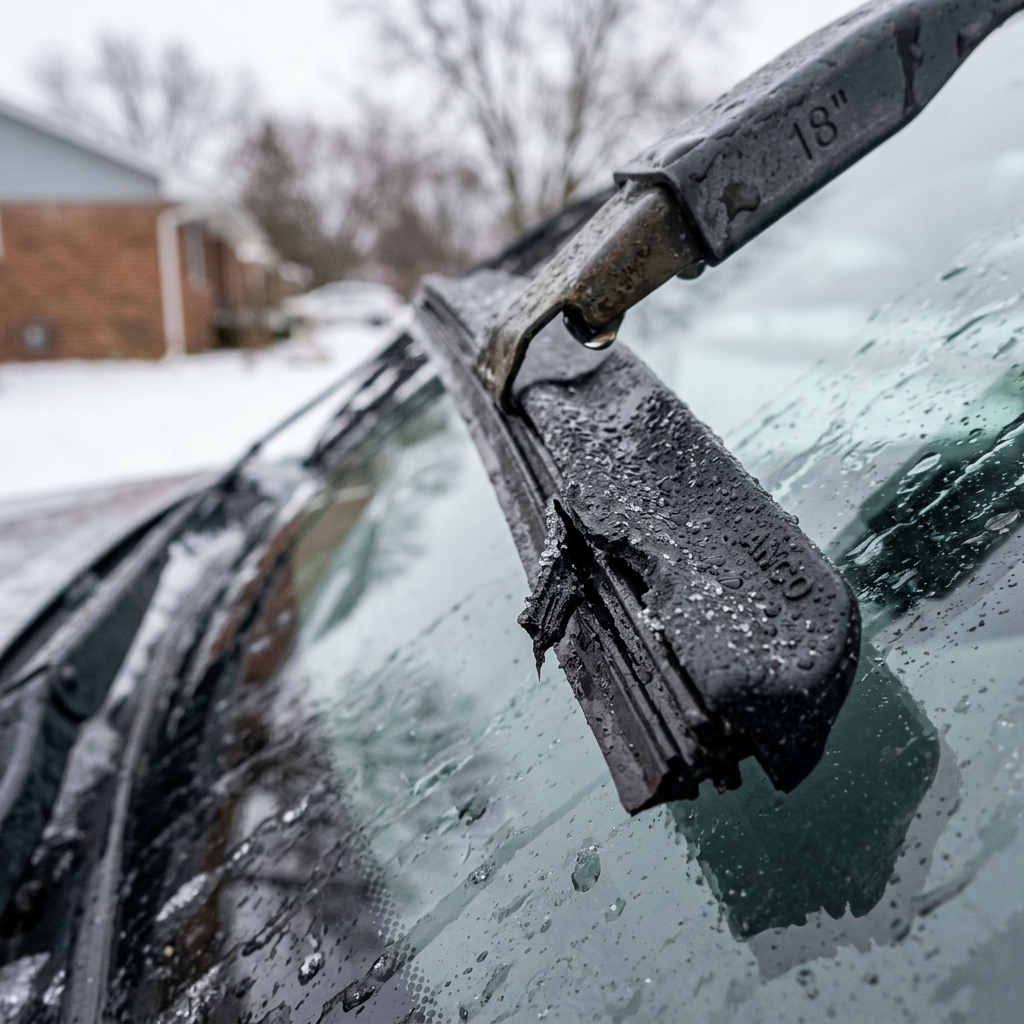
1. Squeegee Splitting & Tear Out: Visible cracks or torn rubber sections separated from the blade housing.
2. High-Speed Wind Lift: Blade lifts away from windshield glass when driving on highways like I-55 or I-80 due to worn flex tensioners.
3. Persistent Loud Chatter: Rhythmic screeching or vibration across the glass caused by hardened rubber flex joints.
4. Line-of-Sight Hazing: A continuous film or fog left directly in front of the driver's eyes during rain or snow sweeps.
5. Frame Corrosion or Joint Stiffness: Rusted metal joints on conventional frames that lock the blade rigid.
Replacing worn blades promptly prevents damage to your Cadillac windshield glass. If you suspect your luxury vehicle is ready for a replacement or a pre-season check, take a moment to Value Your Trade or schedule a complete vehicle checkup with our factory-trained service technicians.
Beam Blades vs. Framed Winter Blades: Which Design Best Suits Sub-Zero Weather?
Frameless Aerodynamic Beam Blades
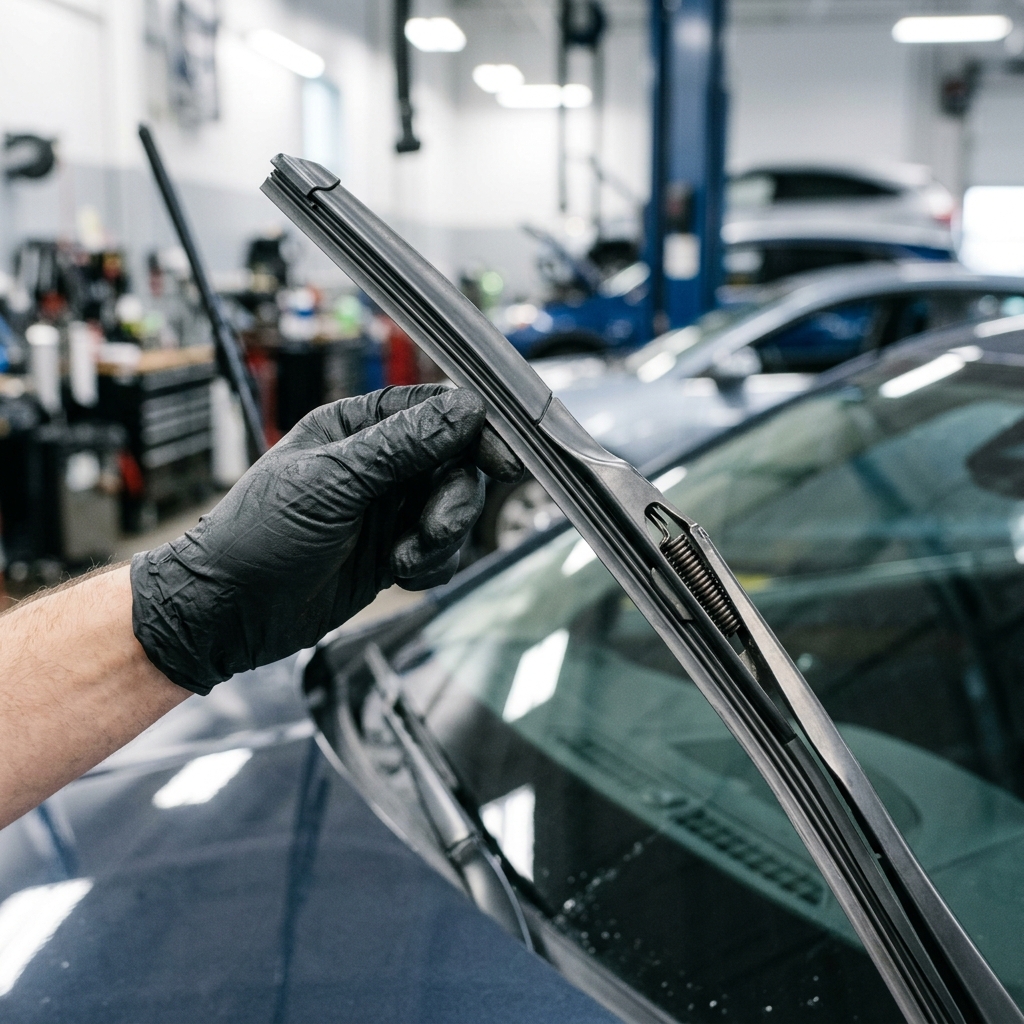
Beam blades feature continuous curved memory-steel spine springs with no external frame or joints. Because there are no exposed mechanical links to freeze, premium beam blades resist ice buildup exceptionally well while maintaining superior high-speed aerodynamic downforce.
Armored Booted Winter Blades
Armored conventional winter blades encase traditional steel linkages inside heavy rubber shells. While thicker and slightly bulkier at high highway speeds, they offer unmatched durability when clearing heavy, wet snowdrifts and thick ice crusts from windshields.
Cadillac System Integration
Modern Cadillac vehicles utilize heated windshield zones and integrated heated washer fluid nozzles. High-grade OEM beam blades seamlessly align with these thermal grids, quickly melting windshield frost and ensuring quiet, streak-free clearing in sub-zero climates.
Navigating Severe Winter Commutes Around Plainfield and Naperville
Driving through Will and DuPage counties during winter presents unique visibility challenges. Commuting along major arteries like Interstate 55, Route 59, and Route 30 exposes your windshield to intense aerosol mist carrying liquid magnesium chloride and crushed rock salt. This dense white film dries instantly on cold glass, blinding drivers if wiper blades smear the liquid rather than wiping it clean.
Additionally, river corridors near the Des Plaines and DuPage Rivers generate localized microclimates with freezing fog and lake-effect snow squalls. When driving at high speeds near Naperville or Plainfield, having robust winter wiper blades combined with fresh winter washer fluid ensures immediate line-of-sight clarity when heavy semi-truck spray coats your windshield. If you are considering upgrading your vehicle for all-weather capability, explore our Browse Used Inventory for luxury AWD Cadillac models.
Genuine OEM Cadillac Wiper Blades vs. Universal Aftermarket Replacements
Precision Windshield Curvature
Genuine OEM Cadillac wiper blades are precision-molded to match the exact glass curvature and windshield radius of your specific model year. Universal store-bought blades rely on generic arch profiles that leave un-wiped gaps along outer glass edges.
Direct-Fit Connector Clips
Generic aftermarket wipers require plastic multi-adapter clips that look bulky and snap under heavy snow loads. Genuine Cadillac replacements feature factory direct-snap connectors engineered to latch securely into your wiper arm in seconds.
Quiet Acoustic Performance
Cadillac luxury vehicles are engineered with ultra-quiet interior cabins. Factory OEM wipers utilize specialized anti-vibration rubber compounds and aerodynamic airfoils designed in wind tunnels to operate without high-speed wind whistle or glass chatter.
To maintain optimal factory performance, explore competitive payment and payment structures with our finance team when servicing your vehicle: Get Pre-Approved for Financing.
Schedule Winter Wiper Inspection and Genuine Cadillac Parts Installation at Hawk Cadillac
Do not wait for the next severe Northern Illinois snowstorm to discover worn, streaking, or frozen wiper blades. At Hawk Cadillac in Joliet, our certified service technicians provide complete winter vehicle readiness inspections. We will test your wiper arm spring tension, inspect windshield glass integrity, top off low-temperature washer fluid, and install genuine OEM Cadillac winter wiper blades designed specifically for your vehicle model.